
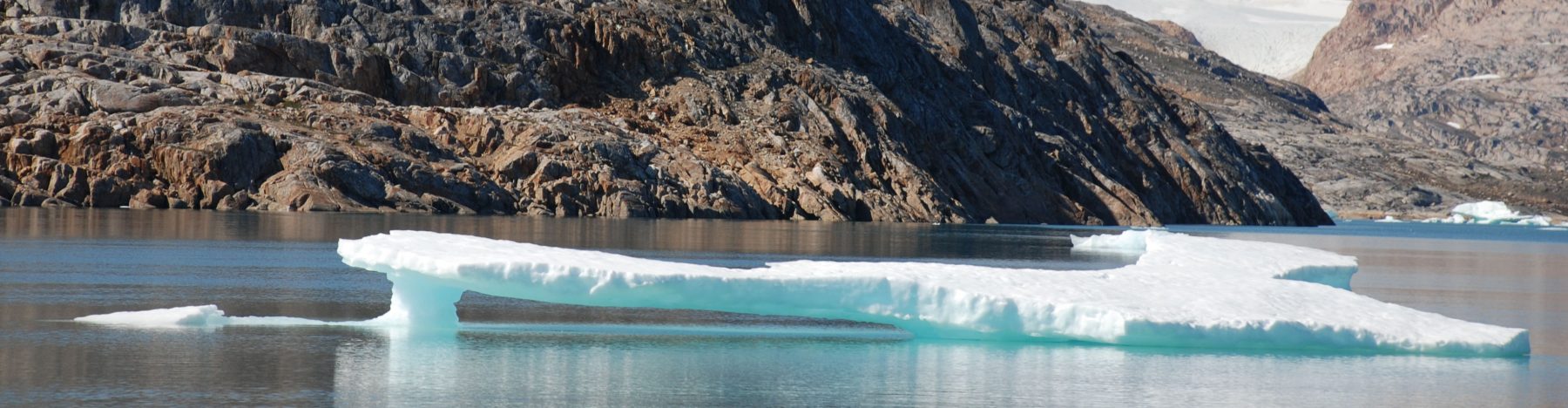

When it comes to understanding what makes the ocean ‘tick’, plankton is the most important starting point.
Read More
Students from Lipson Co-operative Academy have joined the sail training tall ship Pelican of London for the fifth annual Plymouth Ocean Science Voyage. They just about made up their bunk beds, completed initial training and had dinner, and we’re already deploying scientific equipment over night…
Read More
From Pacific deep sea trenches to the Cornish Coast, eDNA revolutionises our understanding of marine life. This new technology, which enables to identify what organisms exist in an area of the ocean by extracting traces of DNA from the water, comes just in time…
Read More
Every organisation seems to have a newsletter these days – they are a great way of keeping in touch with the sub-section of society who still engage with email (just!). These days I’m writing and collating contents for the newsletter of the sail training organisation Pelican of London Ltd. and this gives me another platform for ocean education and advocacy. Does it work? If you are inclined to find out, please check it out, even subscribe at https://mailchi.mp/036b33bf3dcd/lfk9w4ml1j.
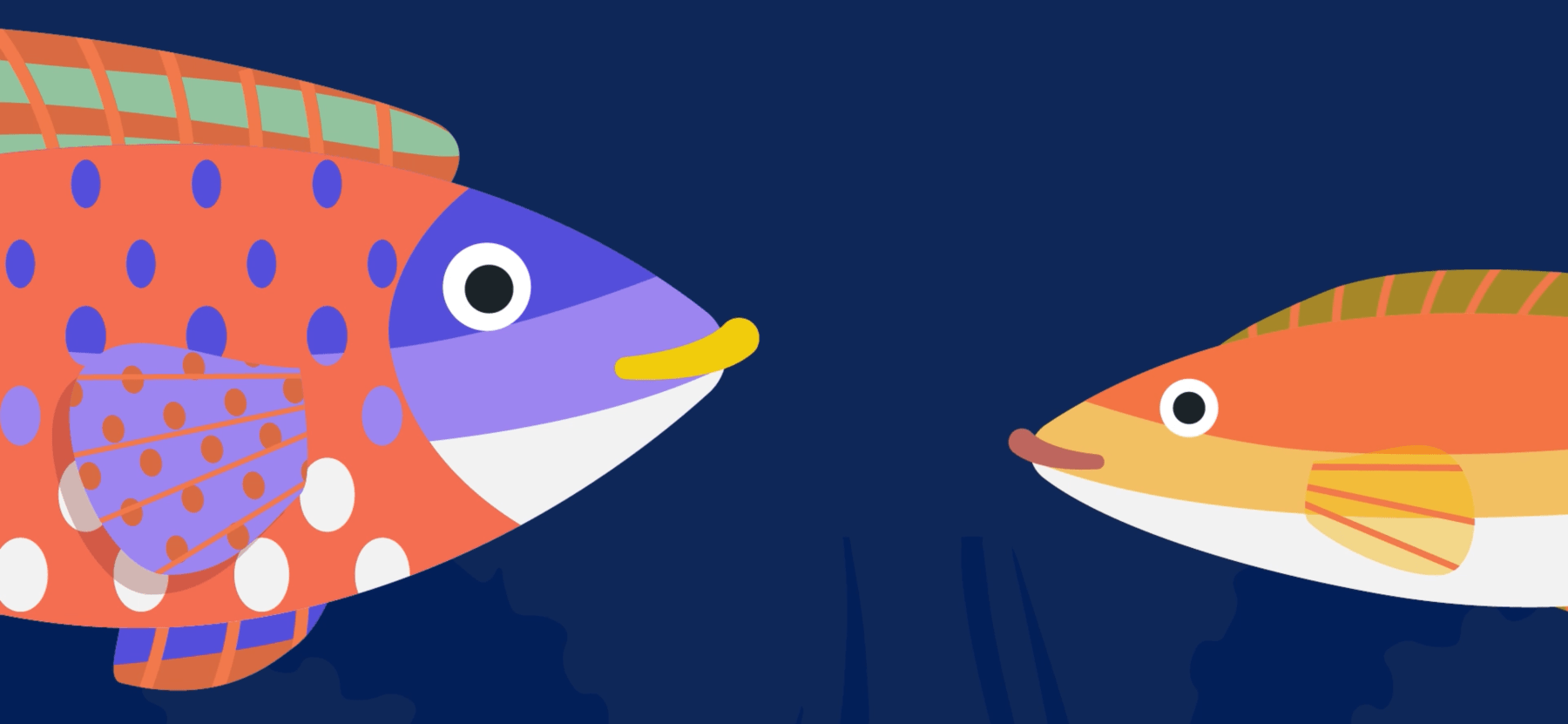
Today, I’m telling a kid’s story about summer solstice below the waves to make a bigger point about how the ocean ecosystem and seasons interact.
Read More
It should be obvious that ammunition and mines are single-use and for this reason alone, not a sustainable use of resources – just as single-use plastics, and aren’t most of us objecting to those publicly by now?
The body of scientific evidence on the environmental impacts of war is increasing. Since the start of the Russia-Ukraine war, past and ongoing conflicts are subjected to more intense impact evaluation beyond the harm caused to people, culture and societies.
Read More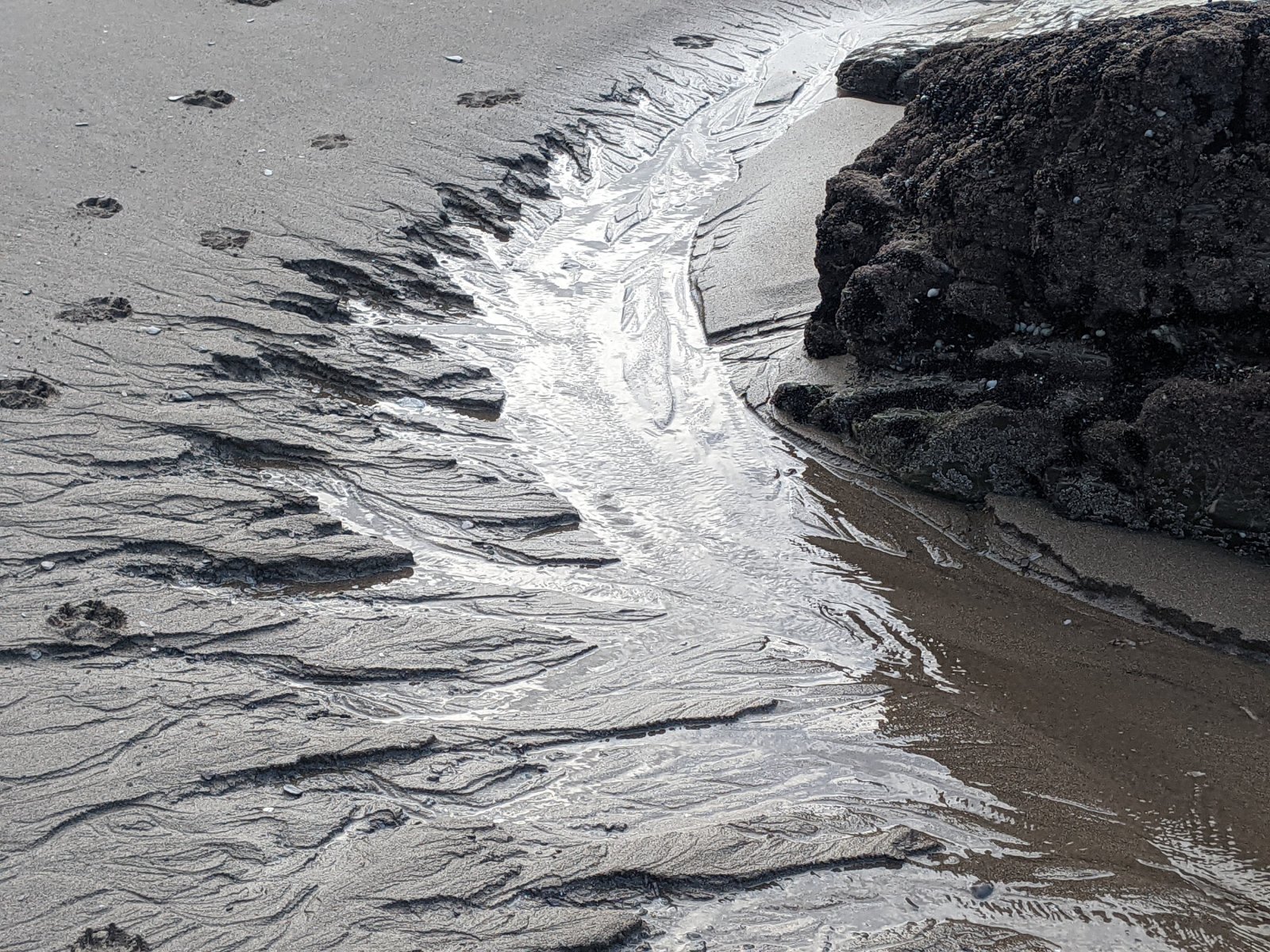
This year, British Science Week (6-15 March 2026) is all about curiosity. A wonderful theme because:
Read MoreCuriosity is the essence of human existence – Gene Cernan (1934-2017)
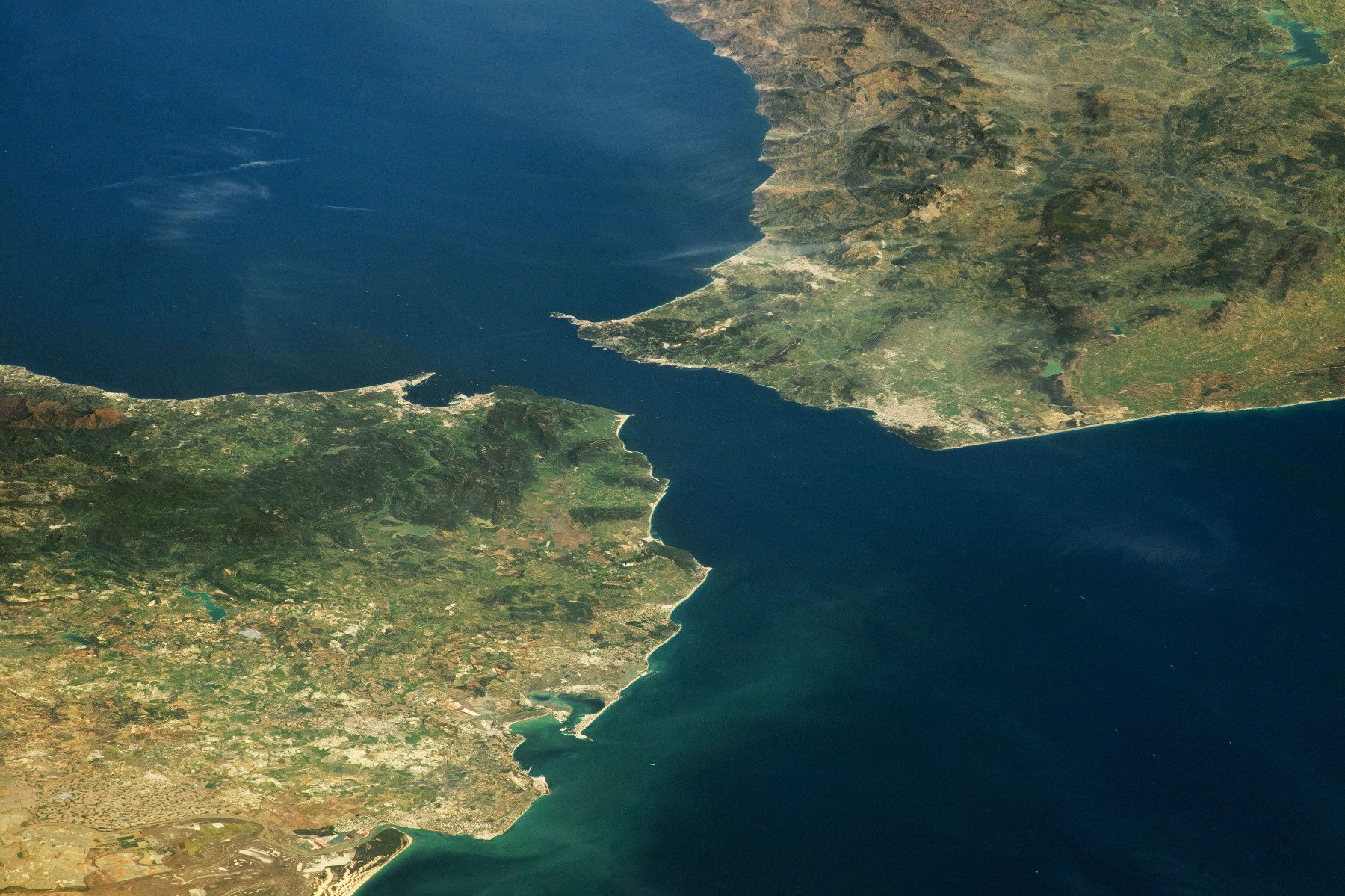
At the beginning of this year, Pelican of London cruises the Western Mediterranean Sea. I take this as a prompt to share some insights into the marine (eco)system of this region and its state of conservation.
For millennia the Mediterranean has been shaped by the rise and fall of civilisations and associated development in agriculture, art, philosophy, science and technology, by numerous wars and long-distance trade, by religious diversity and cultural fusion, and latterly by commercial rivalry and geopolitical competition, tourism and migration 1.
The Western Mediterranean Sea and its creatures know no national boundaries, cultural differences or politics, while their health is utterly dependent on international agreements and their implementation, maritime policies and traffic, as well as national environmental regulations, fishing practices and pollution from a wide variety of sources.
Read More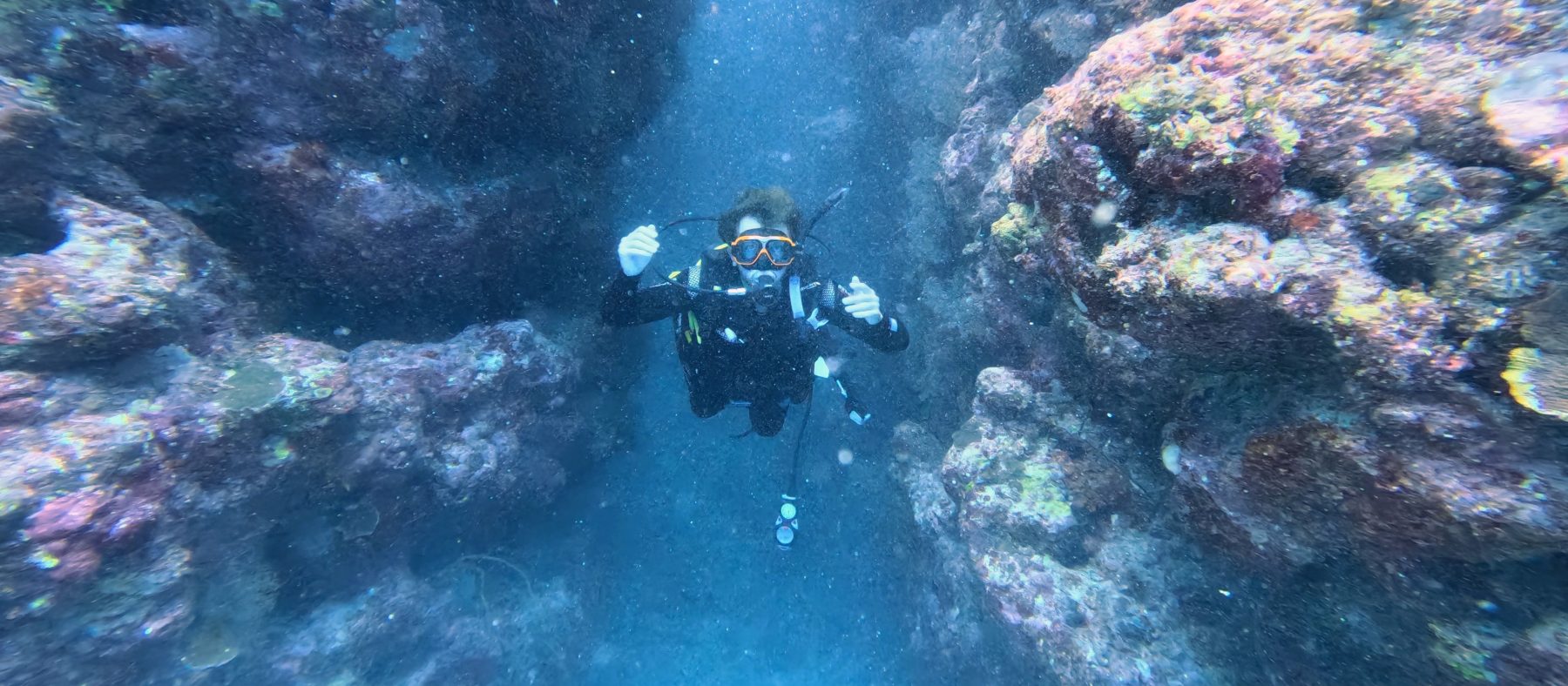
Mauricio is one of those multi-talented young people who just excel at whatever they do – whether that’s coaching children on Capoeira skills, analytical chemistry, working as corporate receptionist or marine biology! He has volunteered as Scientist in Residence on the sail training tall ship Pelican of London and has become one of her ambassadors.
Here, Mauricio writes a guest blog for Challenging Habitat that showcases two separate worlds of science communication: with fellow scientists and with the public. The latter is becoming increasingly important as much of what scientists do is funded by the public purse – i.e. you and me – and taxpayers have a right to know how their money is spent.
So, whoever you are, I invite you to dive into Mau’s world of marine biology – case study Australia’s Super Corals!
Read More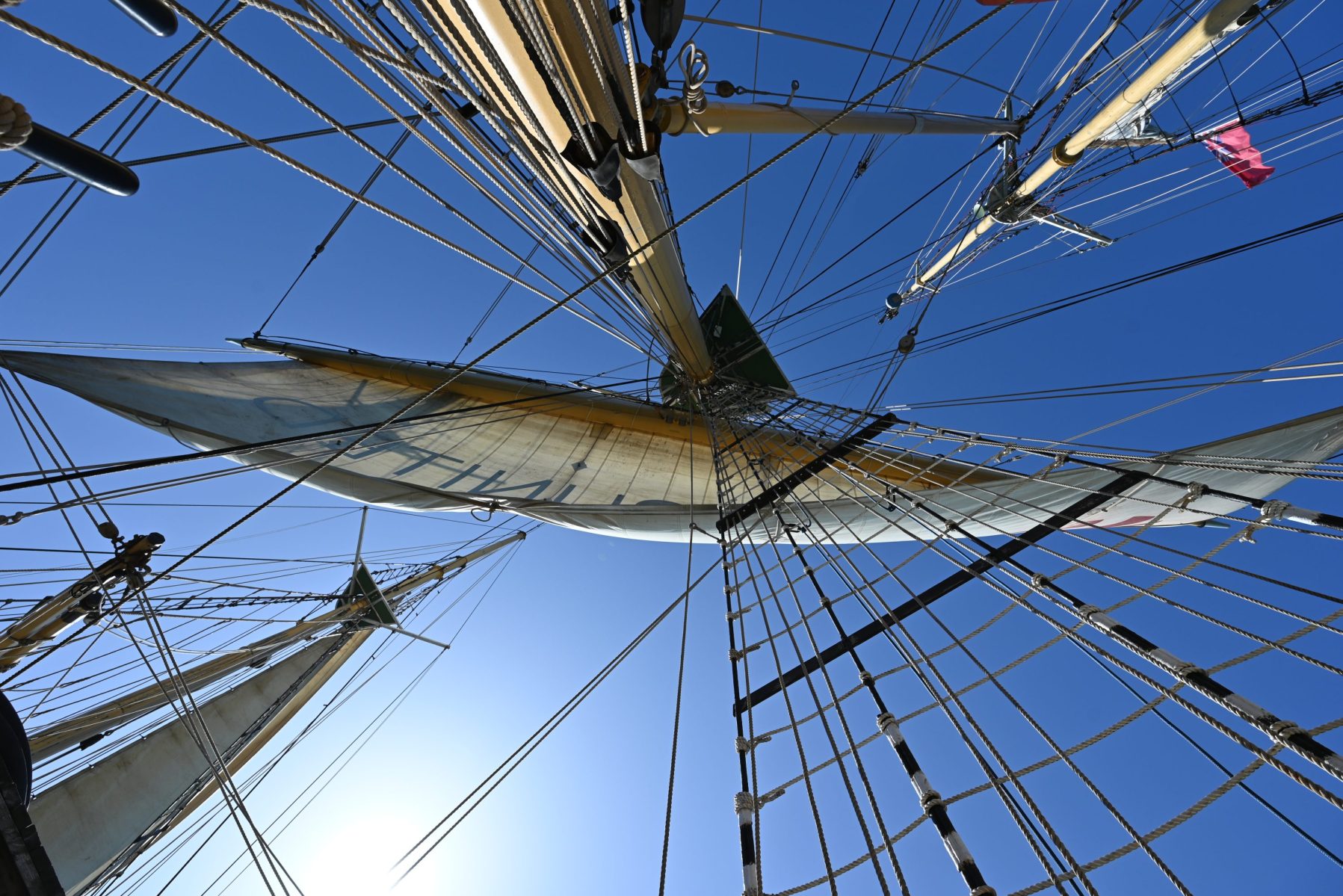
What is the point of attending a conference? For me, it has always been about learning, challenging perceptions and meeting new people and catching up with aquaintances.
In the world of remote working, meeting face to face is a real treat and the Sail Training International Conference in Bordeaux (23-25 Jan 26) offered plenty of opportunities to do that and also showcase the work we do on Pelican of London.
Read More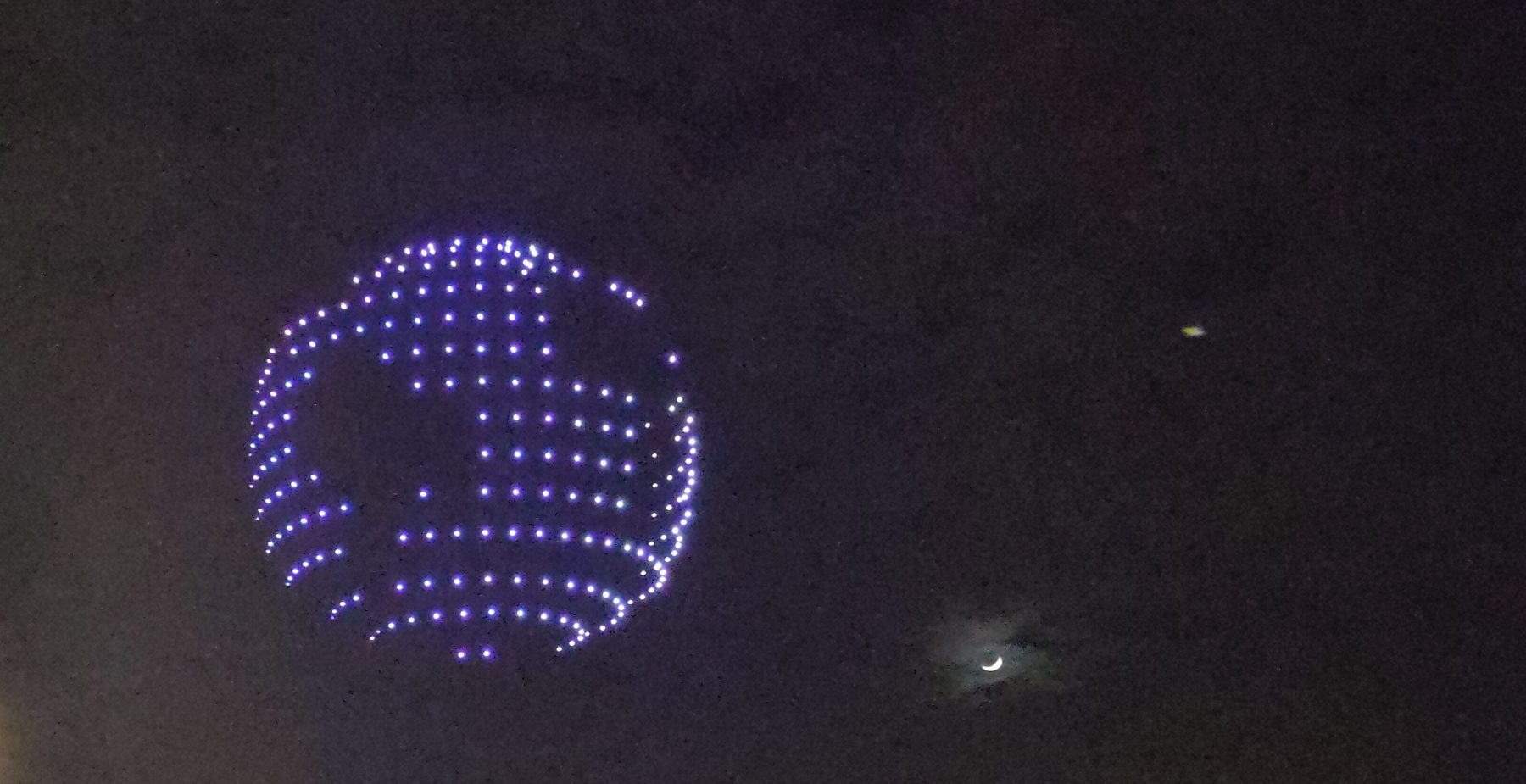
Imagine you have sailed through the night, watched a beautiful sunrise and finally the anchor has found a firm hold…you are enjoying the calm of the morning…when a buzzing sound alerts you to the presence of a drone overhead, rudely interrupting the privacy of having your breakfast on deck.
That sums up my irritation with drones…up to now!
Read More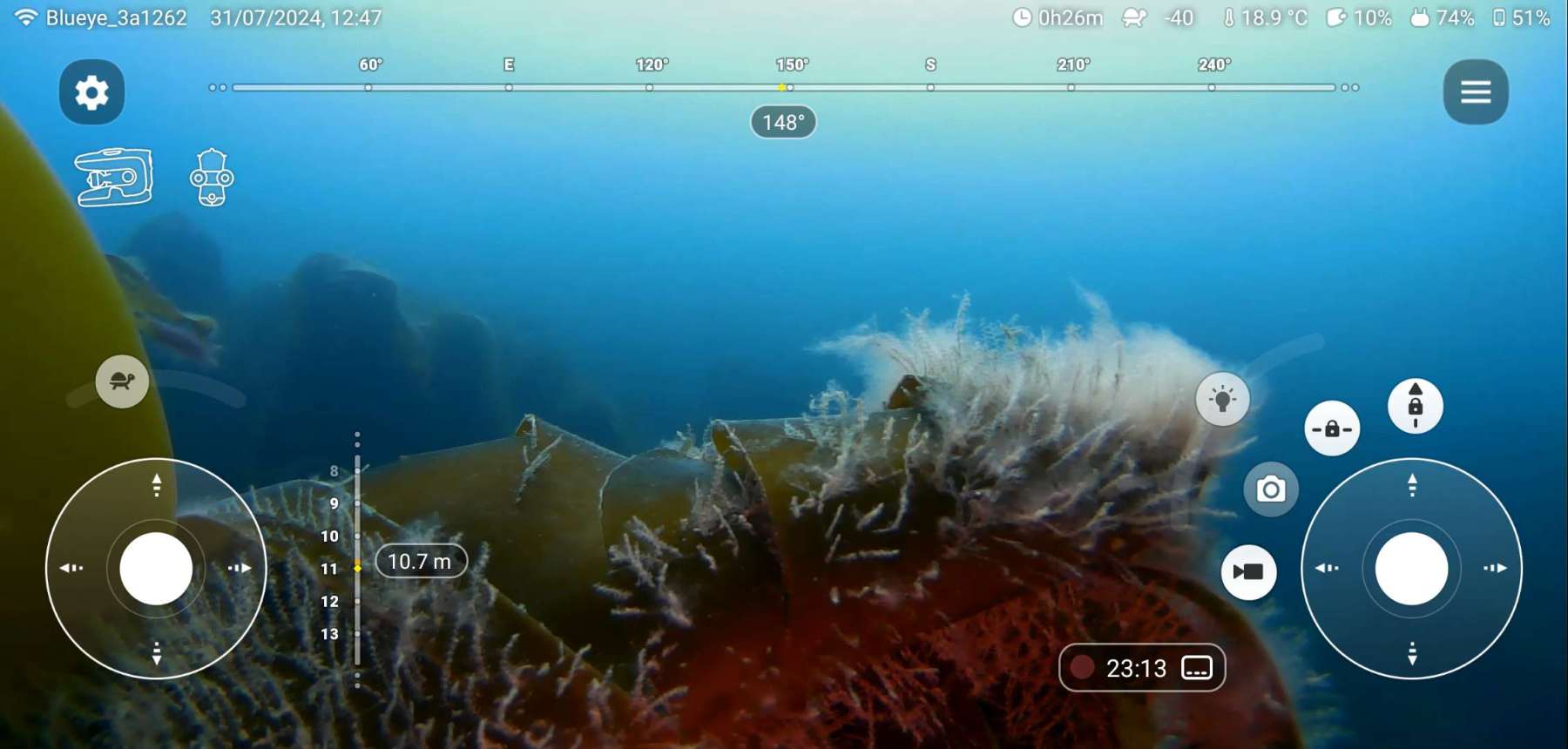
The ROV is deployed and we’re watching the seabed habitat in real time. Seaweed…a crab…a glimpse of a fish… What if we could find out what animals are actually living in the sea beneath the waves?
We can and we did!
Read More
