When it comes to understanding what makes the ocean ‘tick’, plankton is the most important starting point.
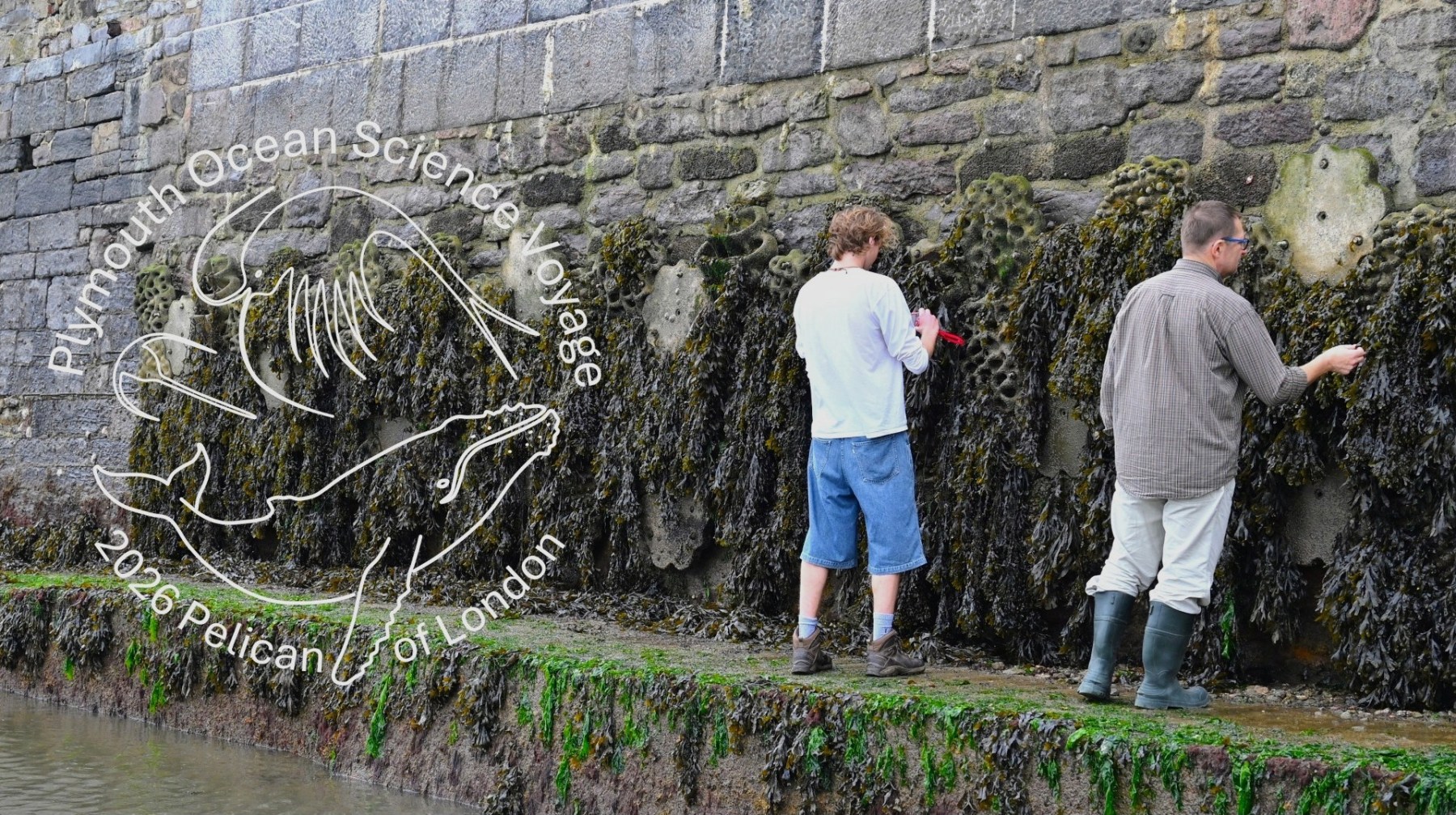
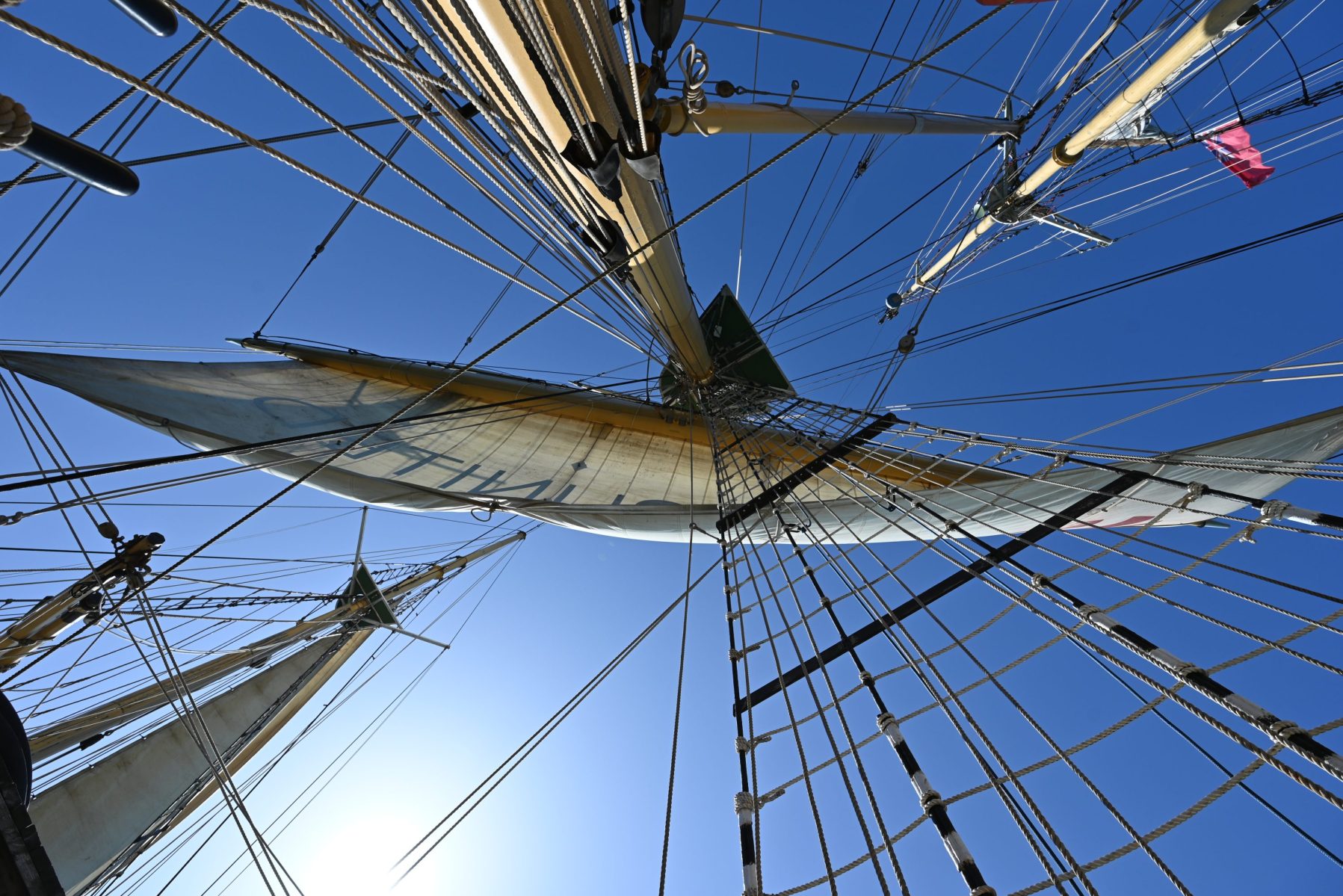
Read MoreStudents from Lipson Co-operative Academy have joined the sail training tall ship Pelican of London for the fifth annual Plymouth Ocean Science Voyage. They just about made up their bunk beds, completed initial training and had dinner, and we’re already deploying scientific equipment over night…
Read MoreFrom Pacific deep sea trenches to the Cornish Coast, eDNA revolutionises our understanding of marine life. This new technology, which enables to identify what organisms exist in an area of the ocean by extracting traces of DNA from the water, comes just in time…
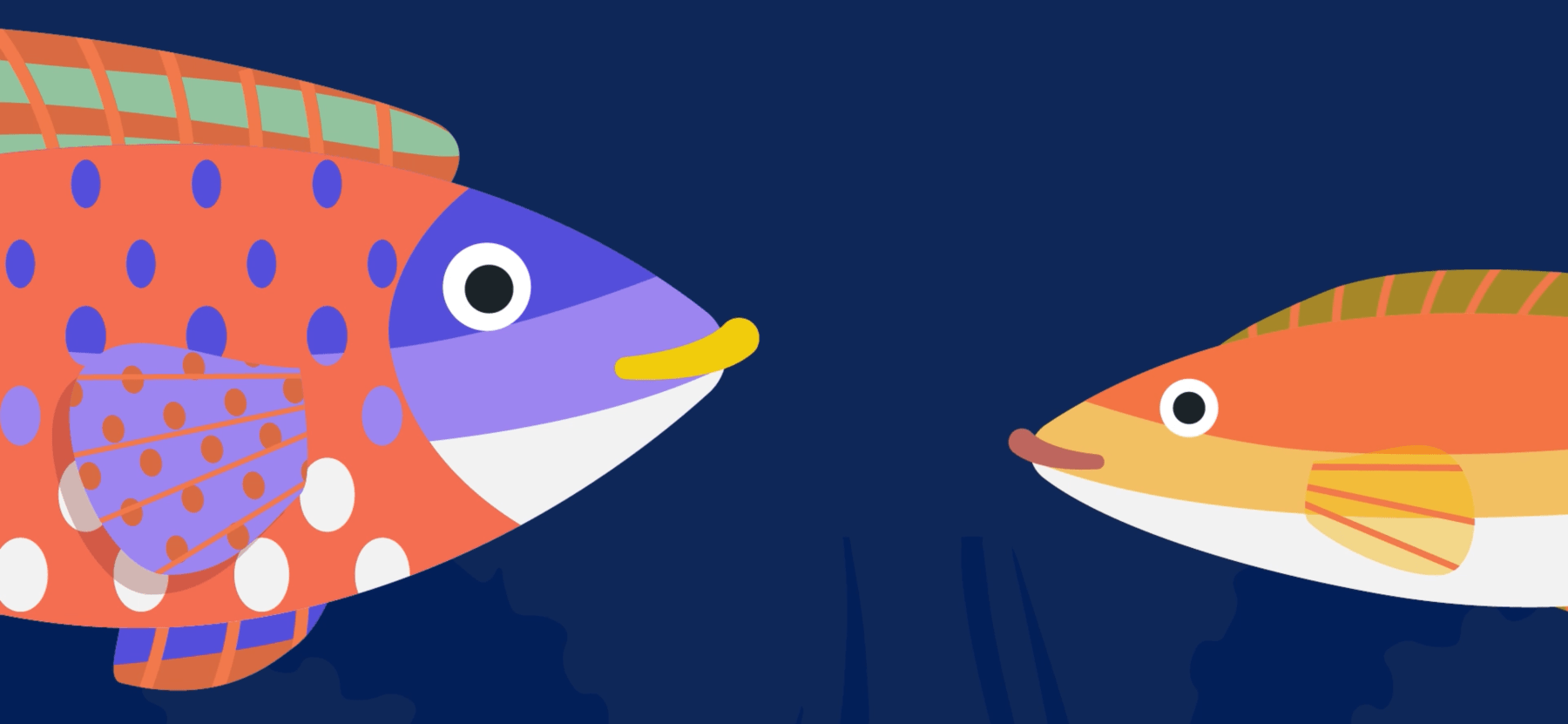
Read MoreToday, I’m telling a kid’s story about summer solstice below the waves to make a bigger point about how the ocean ecosystem and seasons interact.
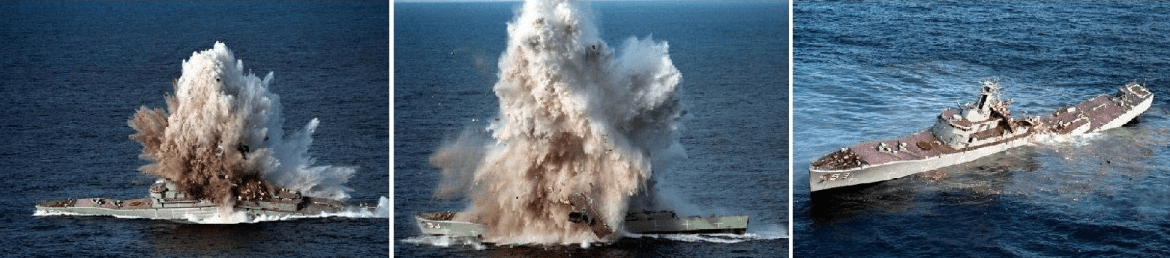
Read MoreIt should be obvious that ammunition and mines are single-use and for this reason alone, not a sustainable use of resources – just as single-use plastics, and aren’t most of us objecting to those publicly by now?
The body of scientific evidence on the environmental impacts of war is increasing. Since the start of the Russia-Ukraine war, past and ongoing conflicts are subjected to more intense impact evaluation beyond the harm caused to people, culture and societies.
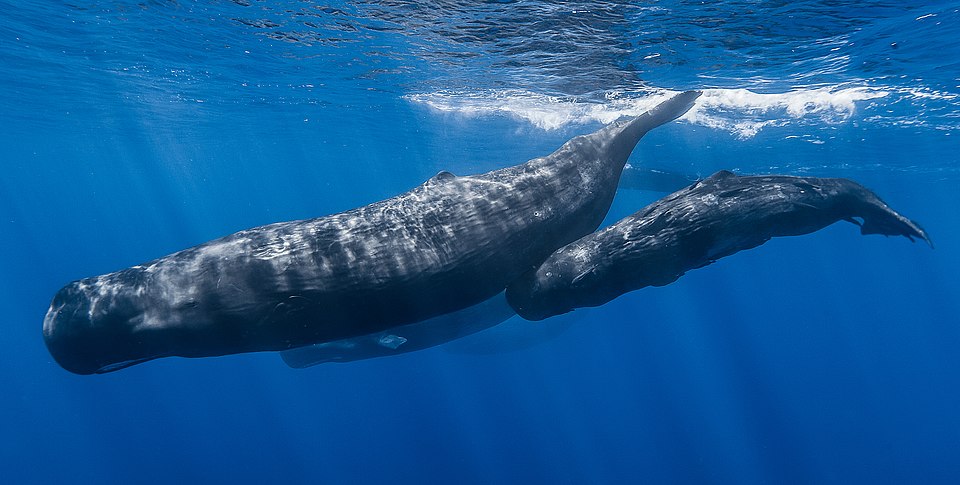
Read MoreHumans have long been fascinated by whale communications and wondered about their meaning. In a new study of sperm whale clicks, scientists have discovered a surprising likeness to human language.
Read MoreMy collaborators in our Sail Training Impact Evaluation project, Dr Pamela Buchan and Dr Alun Morgan, shared insights in an article in The Conversation.
The Conversation is an online journal in the style of classic journalism, written by academics with academic rigour. It’s a refreshing way of getting news and knowledge you can trust on the topics you elect.
Check it out: https://theconversation.com/uk
This year, British Science Week (6-15 March 2026) is all about curiosity. A wonderful theme because:
Read MoreCuriosity is the essence of human existence – Gene Cernan (1934-2017)
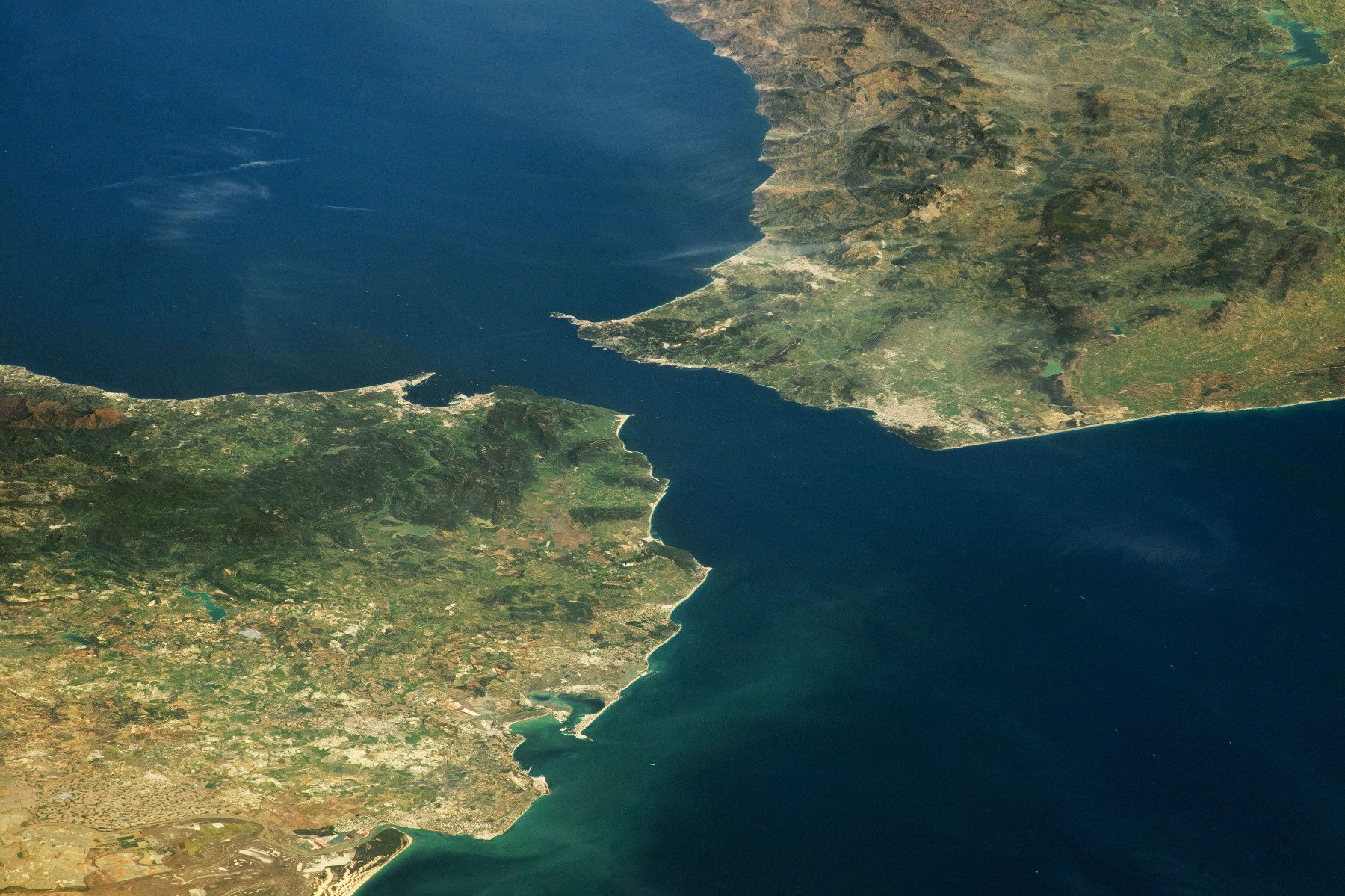
At the beginning of this year, Pelican of London cruises the Western Mediterranean Sea. I take this as a prompt to share some insights into the marine (eco)system of this region and its state of conservation.
For millennia the Mediterranean has been shaped by the rise and fall of civilisations and associated development in agriculture, art, philosophy, science and technology, by numerous wars and long-distance trade, by religious diversity and cultural fusion, and latterly by commercial rivalry and geopolitical competition, tourism and migration 1.
The Western Mediterranean Sea and its creatures know no national boundaries, cultural differences or politics, while their health is utterly dependent on international agreements and their implementation, maritime policies and traffic, as well as national environmental regulations, fishing practices and pollution from a wide variety of sources.
Read More