I recently came across a post on oxymorons: from clearly confused to act naturally, the Goodwill Librarian shared their favourites.
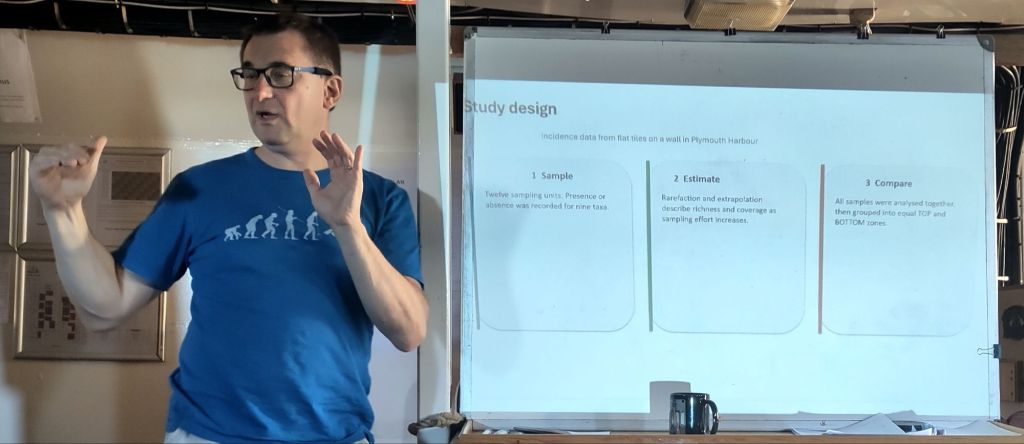
While exciting statistics may be an oxymoron to you, Dr Bartosz Jenner showed young trainees on board Pelican of London that statistics are essential and can be engaging, interesting and yes, exciting.
Bartosz is a biological statistician with an important message for science and industry alike: if you are sampling too much, you are wasting some time and resources, and when you don’t sample enough, you are wasting the lot.
Let me go back to first principles: the scientific research cycle starts with a question, goes through a series of steps that lead to a hypothesis and experimental design, data collection, data analysis and interpretation, the dissemination of results and more likely than not, more questions and hypotheses follow (Figure 1).
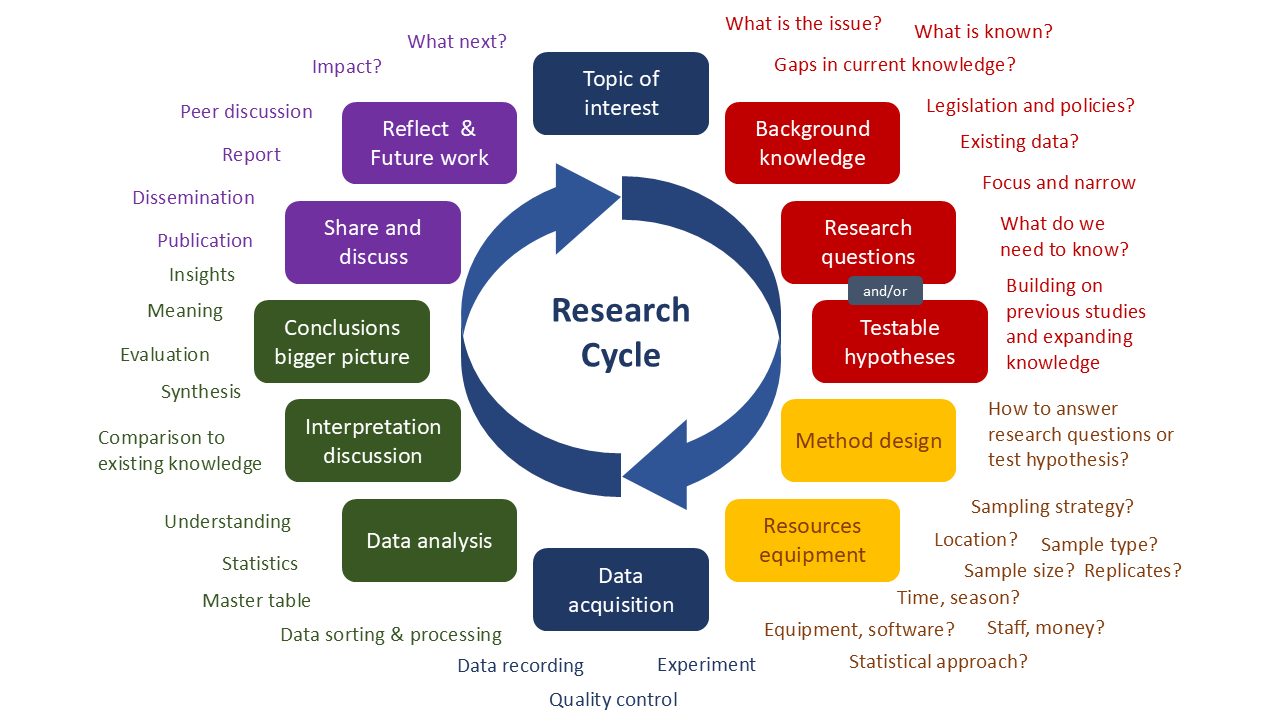
Each step along the way is important and the neglect of just one of them jeopardises the whole effort: the success of scientific research is as strong as its weakest link…
How do we get this point across without boring the wits out of teenagers?
With students on Pelican of London, Bartosz used a practical example in Plymouth to illustrate some fundamental considerations and principles concerning experimental design:
- No scientific project has the resources to sample the entire population, so it is important to know exactly how much of a population has to be sampled in order to get representative data for the whole population and answer the research question.
- Sample too much and you are wasting resources, sample too little and results are unreliable, give false outcomes and/or can’t be analysed with statistical methods.
Ocean science on Pelican of London is never just about theory, so we used an established experiment to give our trainees hands-on experience in applying the principles of biological statistics:
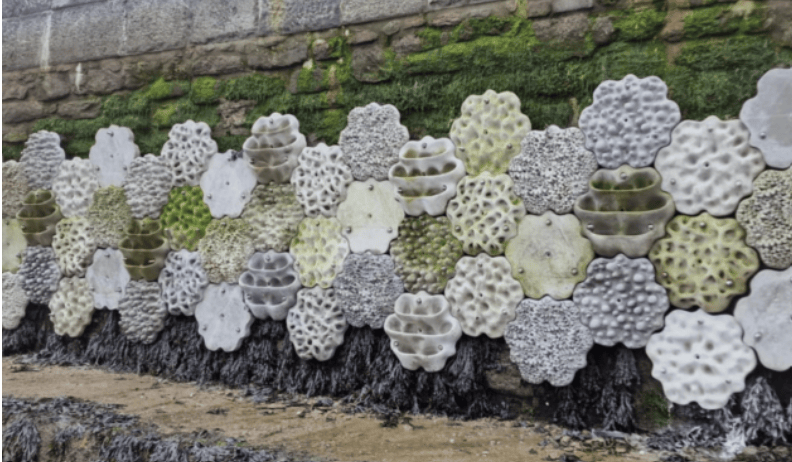
A study led by Dr Louise Firth, then at the University of Plymouth, investigates different concrete textures in an attempt to enhance biodiversity of harbour structures.
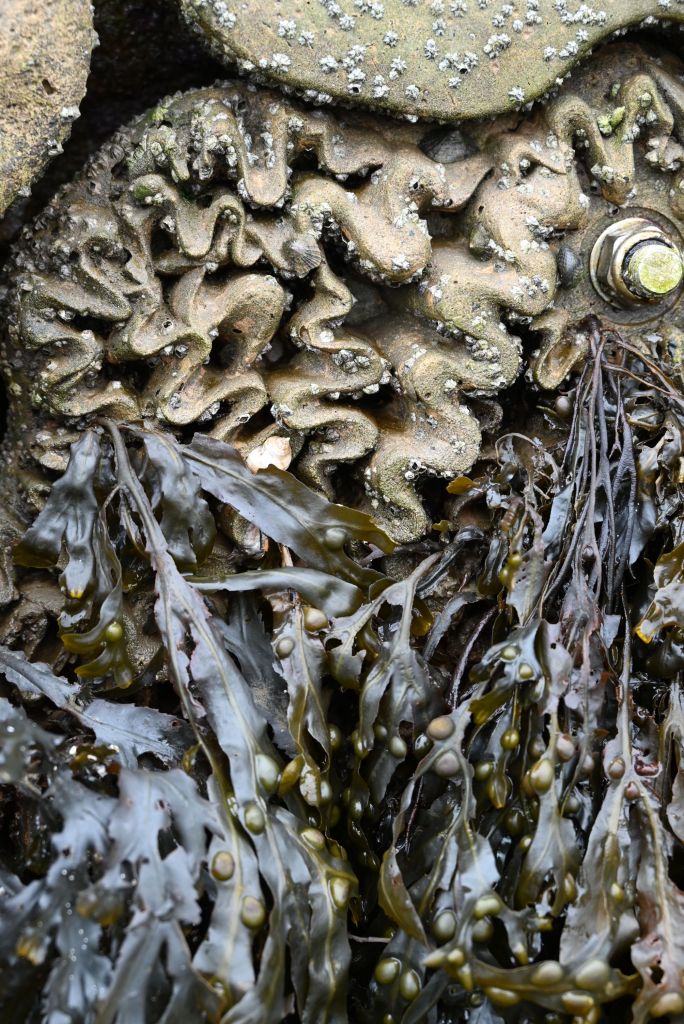
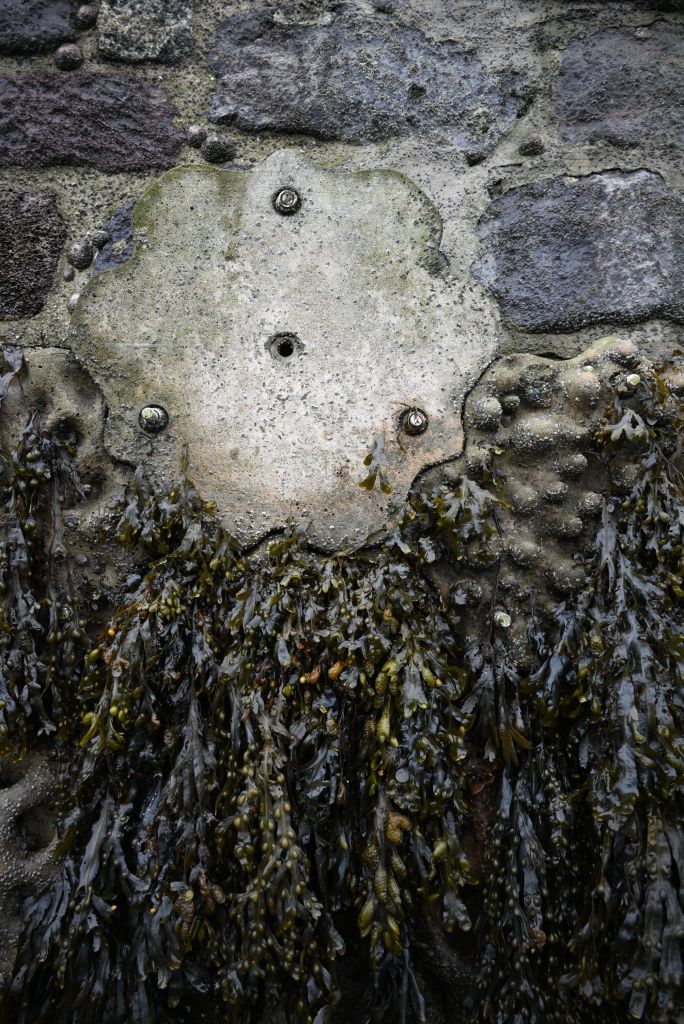
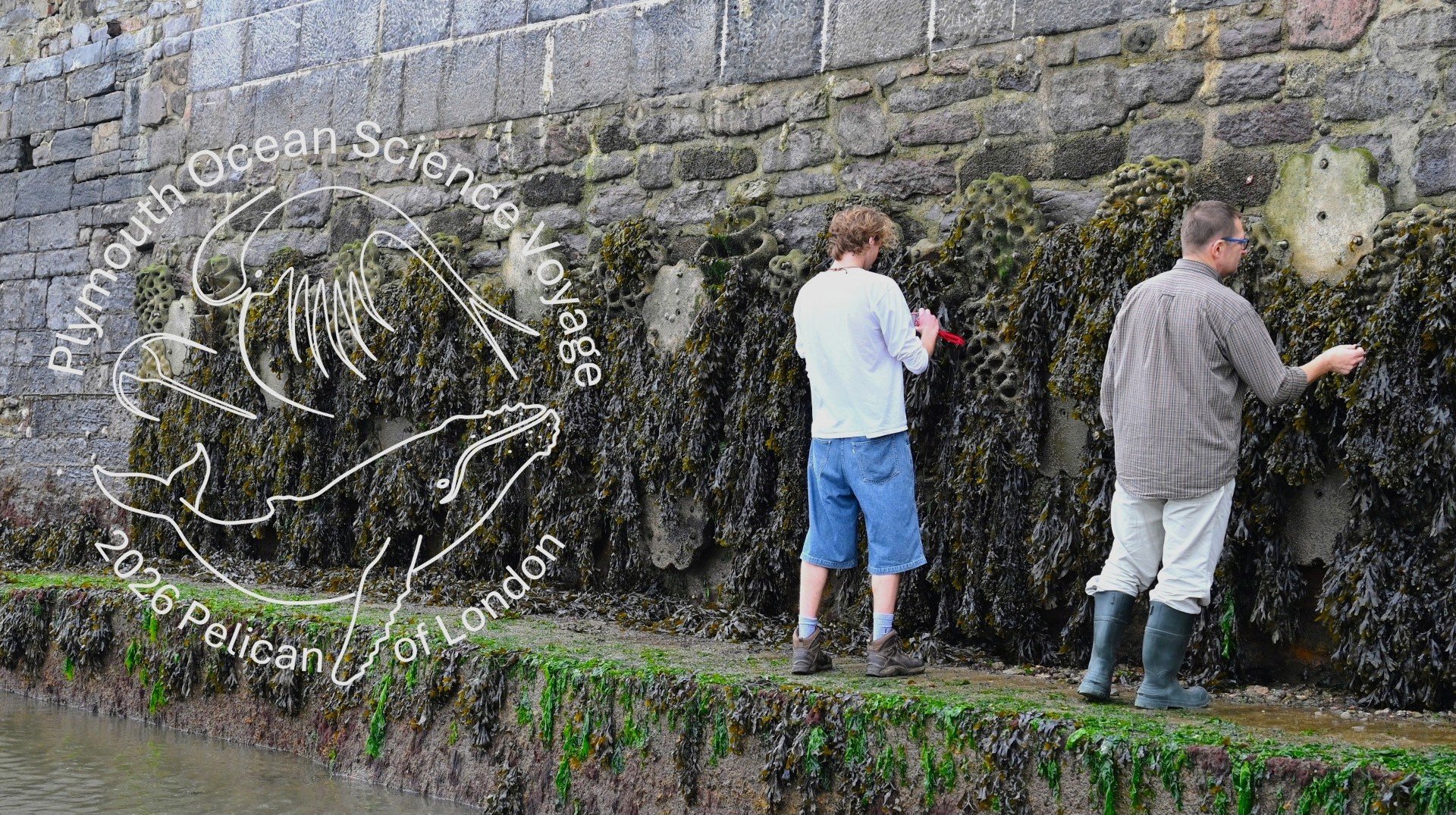
In 2023, one of several ‘living seawalls‘ was installed by the Cattewater Harbour Commissioners near the Mayflower Steps in Plymouth’s Barbican. The flora and fauna present in the different habitats provided by the installation are monitored regularly.
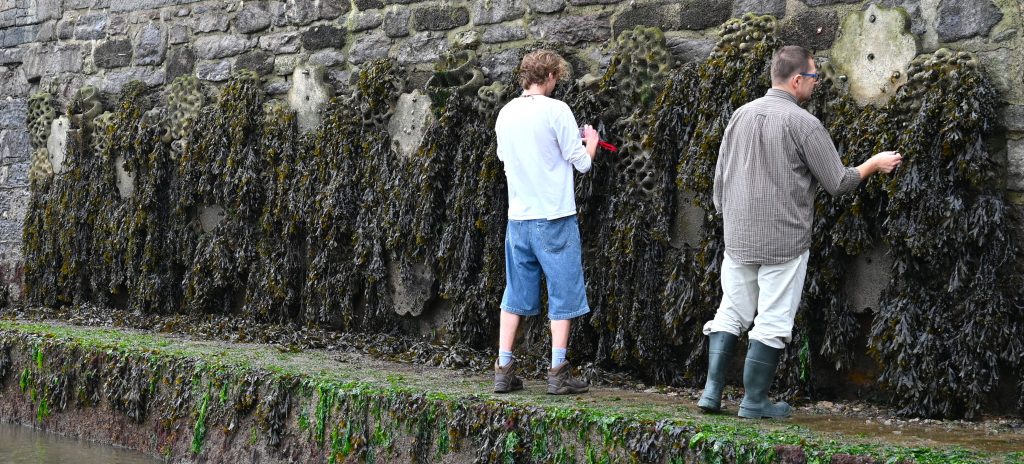
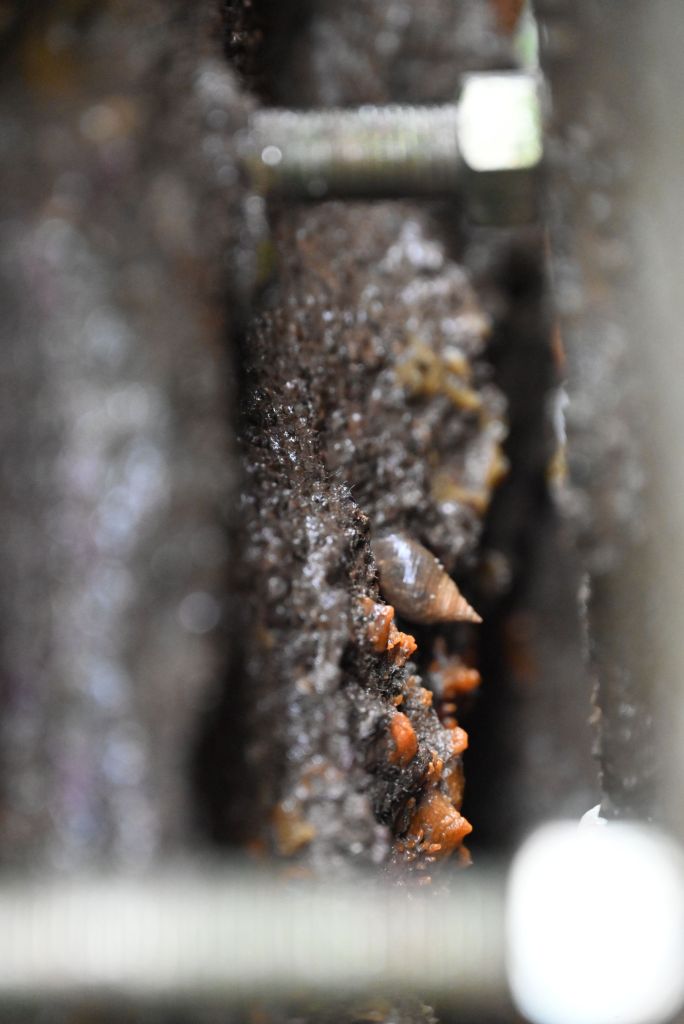
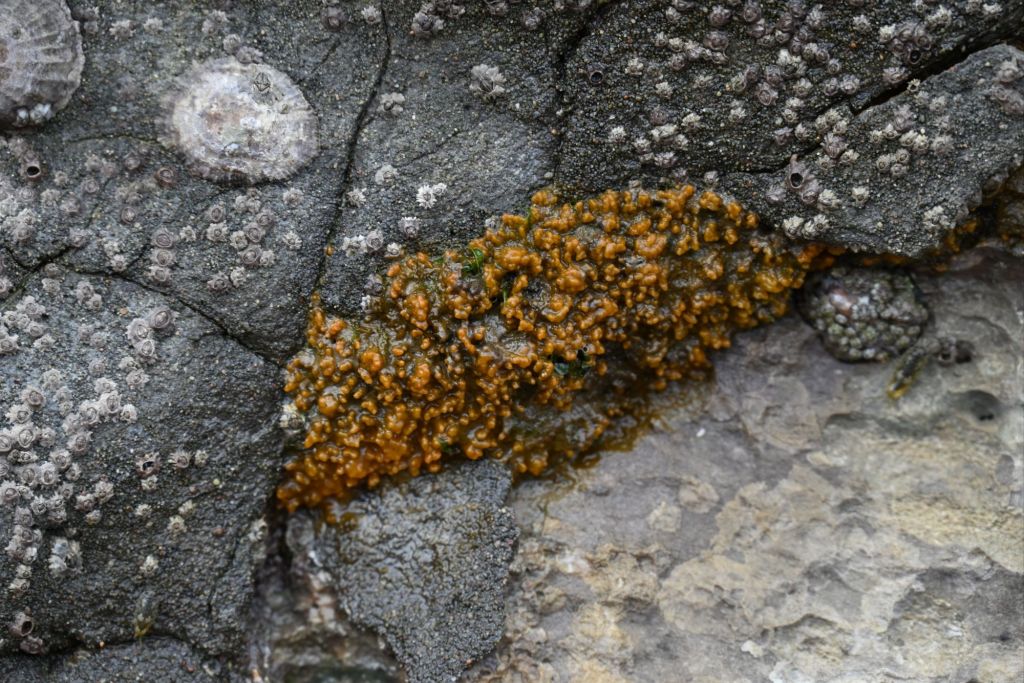
When we took our trainees to the living seawall, Caleb first shared his identification skills of the intertidal fauna present. Soon, the students systematically recorded the species found on replicate tiles with a smooth concrete surface at different levels above the low water mark. Then, they did the same for tiles with more structured surfaces.
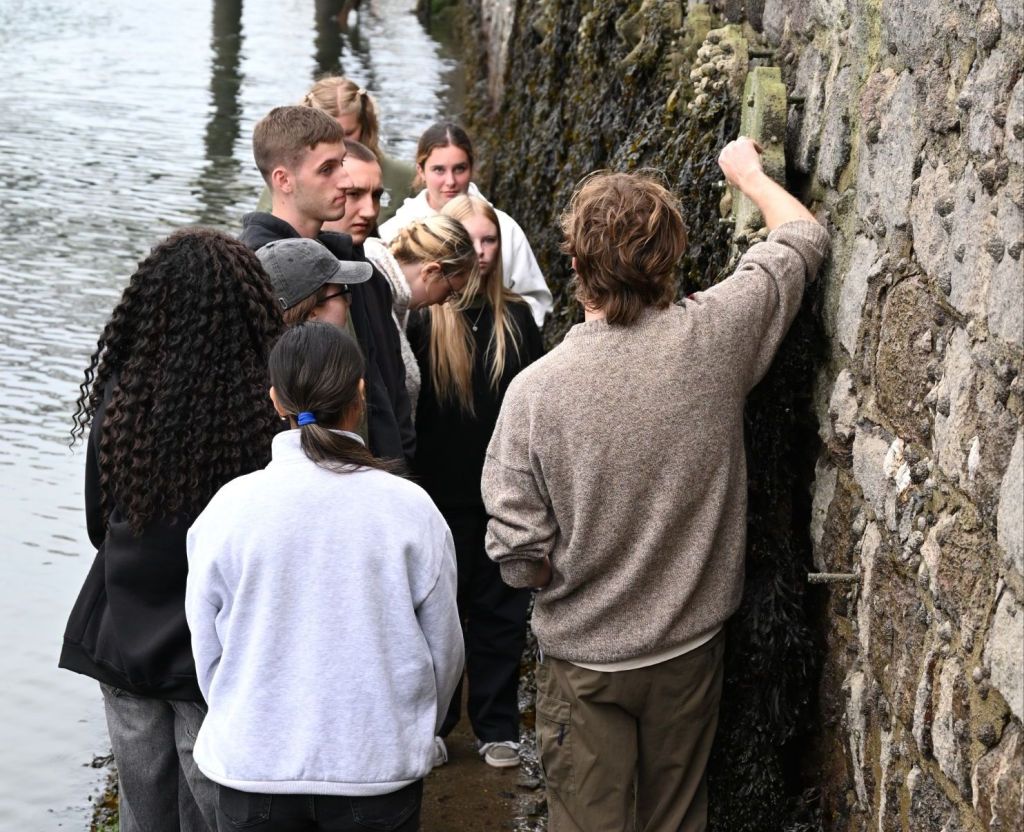
With a lot of data, there is potential for a lot of analysis. More than I am inclined to burden you with here. Suffice to say that we established with clever statistics that our sampling effort and experimental design were sufficient to statistically analyse the data, so we could test our two hypotheses:
1) There is no difference in biodiversity of fauna on tiles with equal surfaces between different levels above the low water mark .
2) There is no difference in biodiversity between tiles with different surface structures within the same level above the low water mark.
The first is related to the zonation of coastal ecosystems according to the length of their exposure during each tidal cycle to direct sunlight, air, weather (e.g. wind, heat, rain) and the physical and physiological challenges that brings.
The second is fundamental to the living seawall project, as it sets out to find ways of improving coastal infrastructure construction to provide more diverse living spaces for improved biodiversity.
We disproved both, as we found evidence of differences in biodiversity for the vertical elevation on the wall and for the habitats the surface structures of the tiles offered.
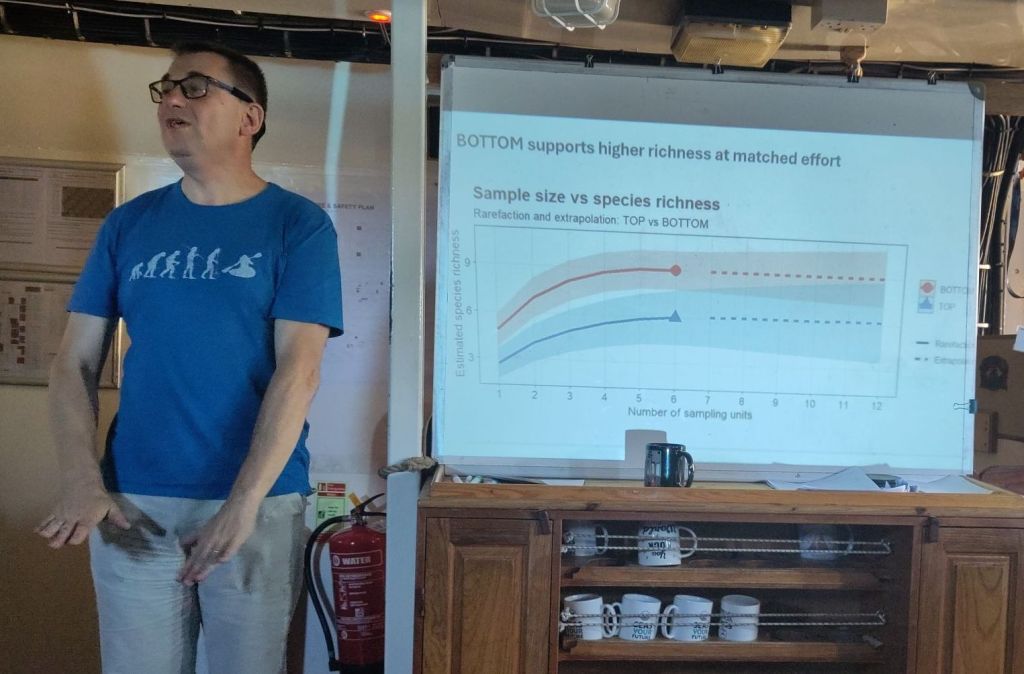
For most, exciting statistics will remain an oxymoron. But for our trainees on Pelican of London, the necessity to firmly embed statistics into experimental design has become clear, whether they are into biology or chemistry, sociology and psychology.
That’s really all we wanted…apart from having some fun naming animals clinging to a wall and underneath the seaweed.