

A couple of days ago I had the privilege to be hosted by the RNLI in Newlyn, Cornwall, for a visit at the new and the old Penlee Lifeboat stations. We were shown around their Severn Class all weather and inshore B-class lifeboats by full-time mechanic Tony and heard about the crew’s work and the RNLI’s impressive training programme.
Read More
From the ending single use plastic to agriculture, technology, education and city planning, Earth Overshoot Day presents climate change solutions with the Power of Possibility on the occasion of World Environment Day 2022.
Read More
On Pelican of London, we have weighed anchor and are on our way from the Isle of Man to Dublin Bay.
Soon we’ll set sails and our progress will depend on nature’s forces. There is beauty in that and applying the skills, experience and strength of the ship’s crew to harness the wind. A metaphor for life.
Read More

I’m at sea aboard Pelican of London with 23 young sailors who share my interest in science and technology.
Read More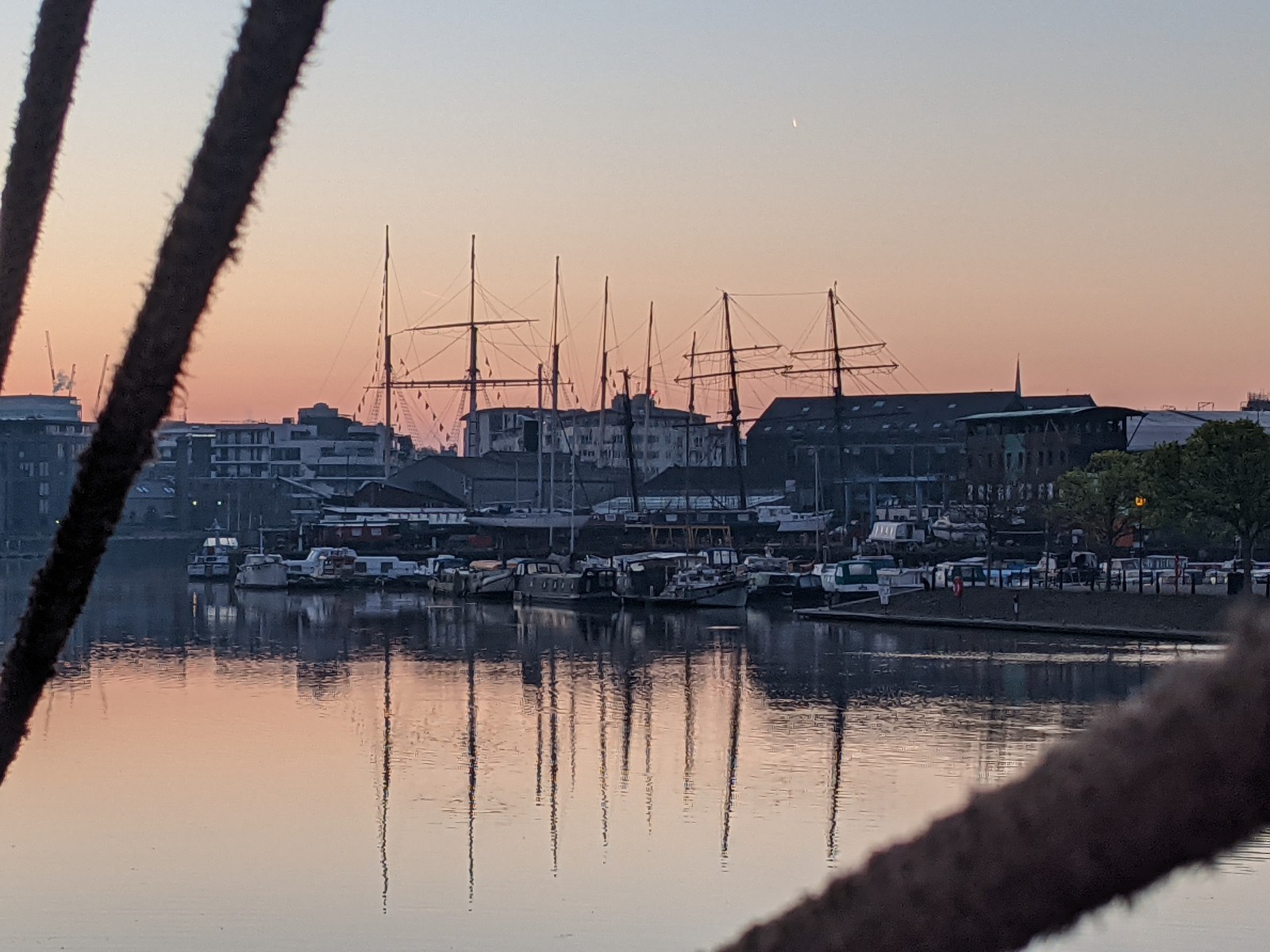
Tall Ship Pelican of London is looking splendid with a freshly painted hull.
Read More

Back in January, Seas Your Future facilitated a fantastic opportunity for six young Scientists in Residence to carry out research project during a 12 day voyage on the Pelican of London along the Pacific Coast of Costa Rica. Here you can find out what they discovered:
Read More
It is one thing to be aware of the carbon emissions of online activities (running a website, internet searches, emails, social media, video/music streaming), yet quite another knowing how to reduce it.
Read More
When the Royal Meteorological Society invited me to write a guest blog about the Antarctic Quest 21 expedition for their MetMatters page, I analysed the daily SitReps provided daily from the Antarctic Peninsula by expedition leader Paul Hart to provide an insight how the weather and ice conditions determined the experience and progress of the expedition team.
Read More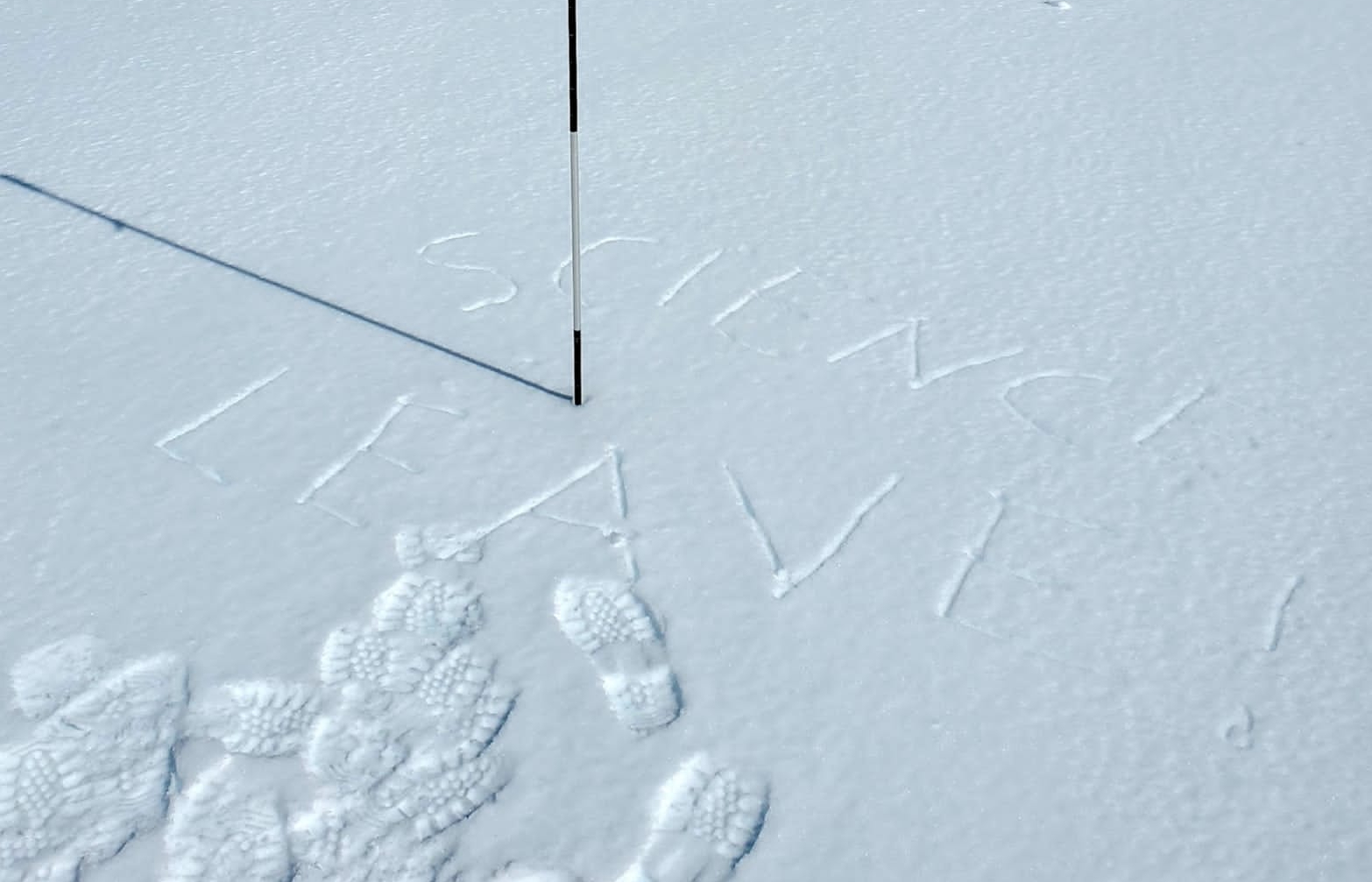
In his concluding situation report, Paul leaves it to others to judge whether Antarctic Quest 21 was a successful expedition.
I’ll try to provide him with an answer for his Priority 3: Science
Read More
The team safely back in Argentina and preparing to go their separate ways to rejoin families and pick up their lives back home, Paul find time for a concluding message.
Read More Challenging Habitat