This year, British Science Week (6-15 March 2026) is all about curiosity. A wonderful theme because:
Read MoreCuriosity is the essence of human existence – Gene Cernan (1934-2017)

This year, British Science Week (6-15 March 2026) is all about curiosity. A wonderful theme because:
Read MoreCuriosity is the essence of human existence – Gene Cernan (1934-2017)
At the beginning of this year, Pelican of London cruises the Western Mediterranean Sea. I take this as a prompt to share some insights into the marine (eco)system of this region and its state of conservation.
For millennia the Mediterranean has been shaped by the rise and fall of civilisations and associated development in agriculture, art, philosophy, science and technology, by numerous wars and long-distance trade, by religious diversity and cultural fusion, and latterly by commercial rivalry and geopolitical competition, tourism and migration 1.
The Western Mediterranean Sea and its creatures know no national boundaries, cultural differences or politics, while their health is utterly dependent on international agreements and their implementation, maritime policies and traffic, as well as national environmental regulations, fishing practices and pollution from a wide variety of sources.
Read MoreMauricio is one of those multi-talented young people who just excel at whatever they do – whether that’s coaching children on Capoeira skills, analytical chemistry, working as corporate receptionist or marine biology! He has volunteered as Scientist in Residence on the sail training tall ship Pelican of London and has become one of her ambassadors.
Here, Mauricio writes a guest blog for Challenging Habitat that showcases two separate worlds of science communication: with fellow scientists and with the public. The latter is becoming increasingly important as much of what scientists do is funded by the public purse – i.e. you and me – and taxpayers have a right to know how their money is spent.
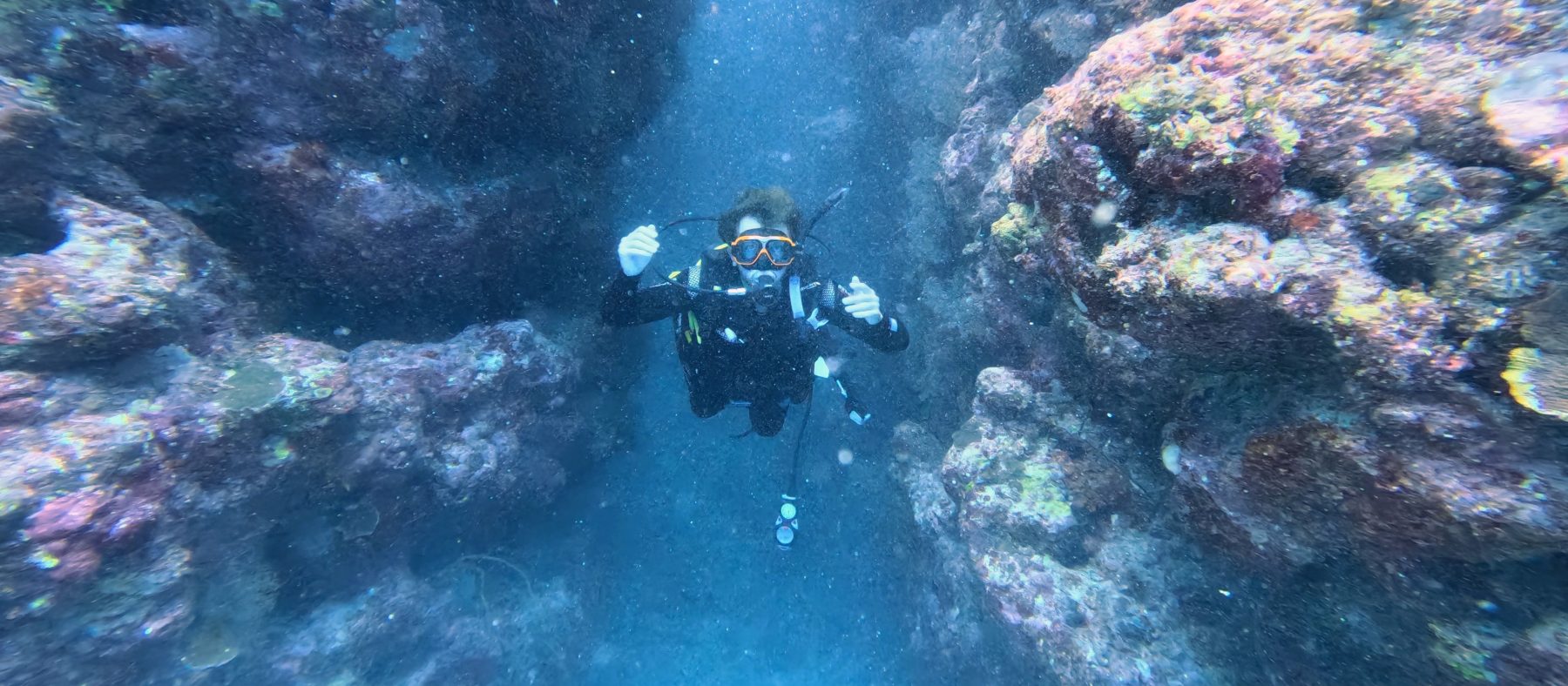
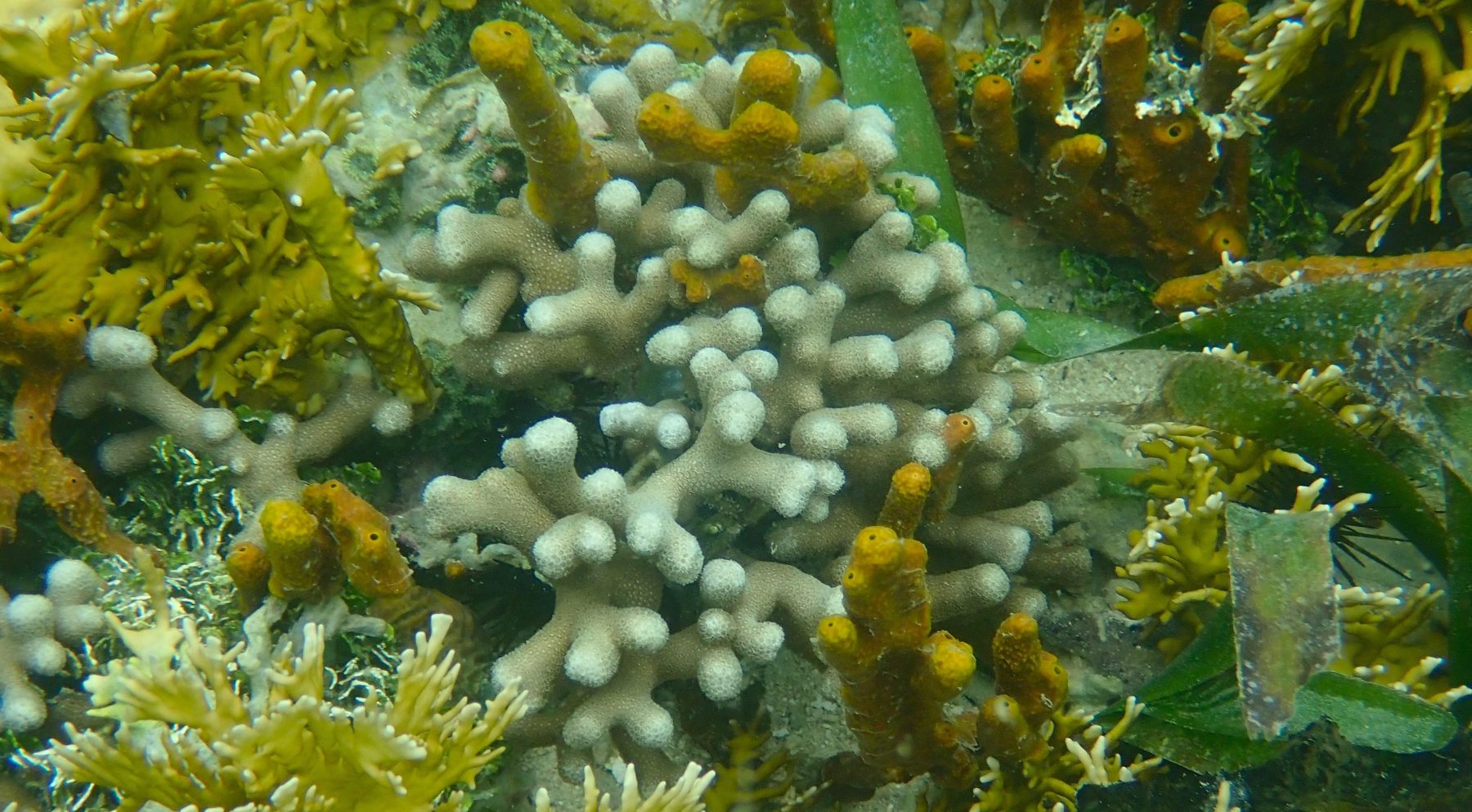
So, whoever you are, I invite you to dive into Mau’s world of marine biology – case study Australia’s Super Corals!
Read MoreWhat is the point of attending a conference? For me, it has always been about learning, challenging perceptions and meeting new people and catching up with aquaintances.
In the world of remote working, meeting face to face is a real treat and the Sail Training International Conference in Bordeaux (23-25 Jan 26) offered plenty of opportunities to do that and also showcase the work we do on Pelican of London.
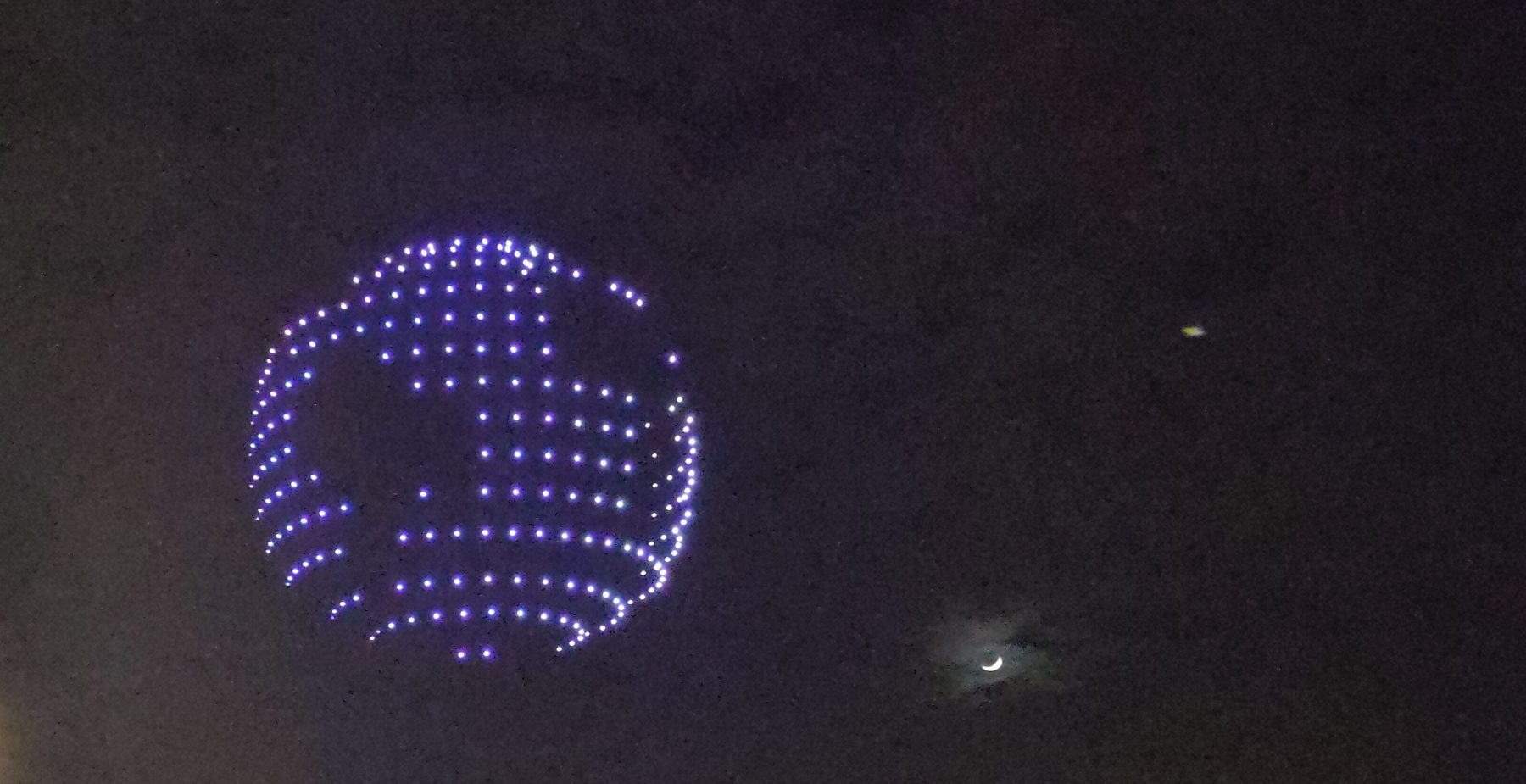
Read MoreImagine you have sailed through the night, watched a beautiful sunrise and finally the anchor has found a firm hold…you are enjoying the calm of the morning…when a buzzing sound alerts you to the presence of a drone overhead, rudely interrupting the privacy of having your breakfast on deck.
That sums up my irritation with drones…up to now!
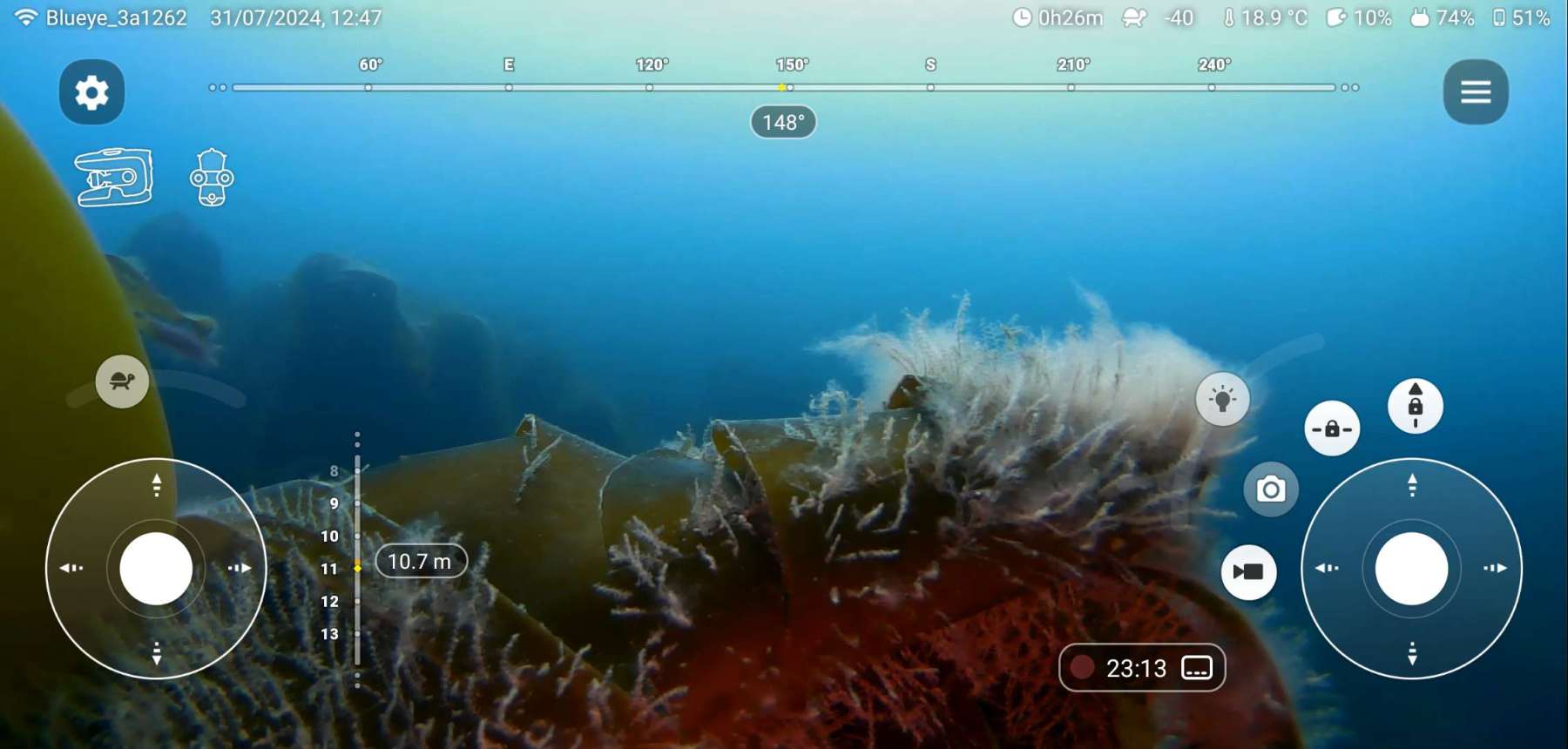
Read MoreThe ROV is deployed and we’re watching the seabed habitat in real time. Seaweed…a crab…a glimpse of a fish… What if we could find out what animals are actually living in the sea beneath the waves?
We can and we did!
Read MoreThe fact that terrestrial vertebrates, including me, descended from an early marine fish some 375 million years ago is too far fetched for me to say I am ocean.
Nevertheless, for me this statement holds some scientific and some emotional truths.
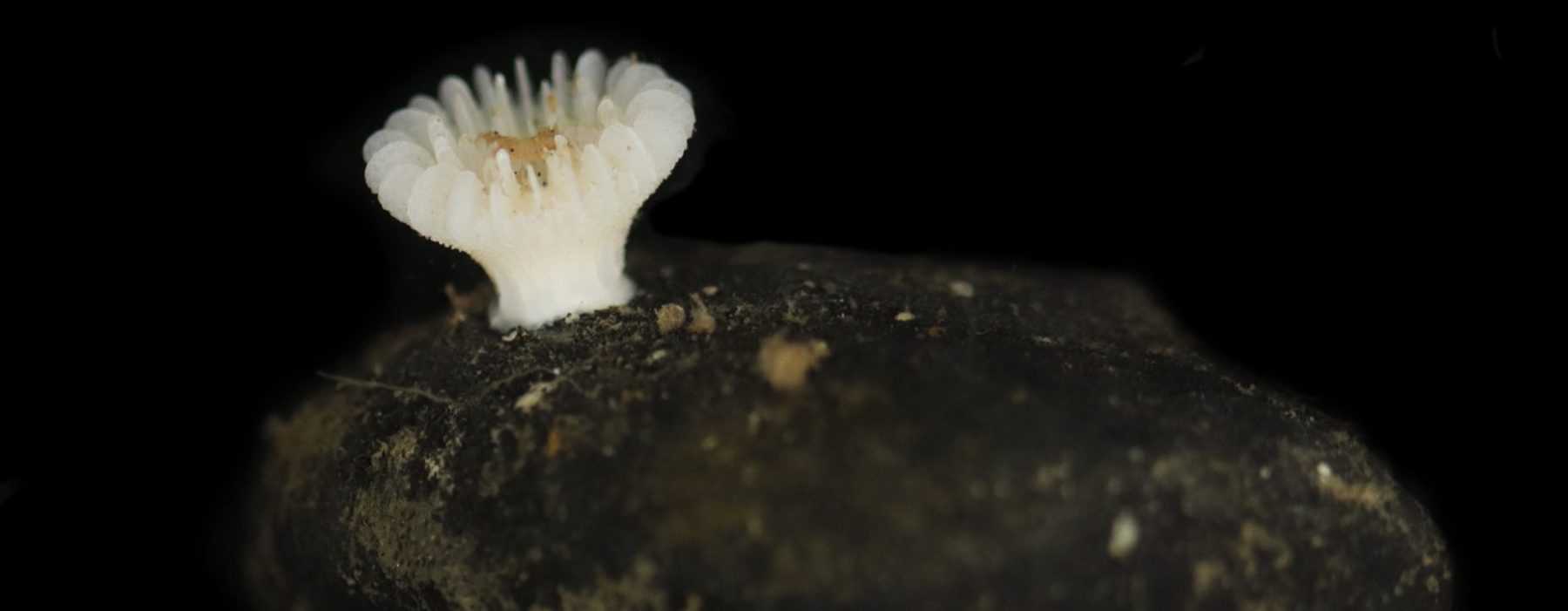
Read MoreDeep sea discoveries never fail to amaze me, and this one of a coral that lives on metal deposits is extra special.
Read MoreI’ve written about Antarctic krill before, just around World Krill Day in 2022, and three years on, the international community is not much closer to protecting krill for krill’s sake, for ecosystem’s sake, for climate regulation‘s and all of our sake…
Read MoreTo me, life is about curiosity and learning and growing. I love talking and working with people who have different backgrounds and expertises, because there is always the potential for a surprise, a fact, a story, a new understanding …
Read MoreLet’s spell it out: cleaning communal toilets, sharing a dormitory with strangers, travel sickness, washing up for 46 people and standing in the wind and rain for hours on end are not common entries on people’s lists of favourite activities.
Yet 27 young people chose to do just that for a chance to live on ‘planet Pelican‘ for a while and experience all the good stuff that comes with it…
Read MoreTwo years ago, I read an article in Nature News called “Catastrophic change looms as Earth nears climate ‘tipping points’‘ [1], referring to the Global Tipping Points Report 2023, the article warned about Arctic and Antarctic ice, coral reefs and other Earth system poised to cross thresholds in their decline that are irreversible and that threaten the stability of the Earth system as we know it.
Now ‘Team Earth’ have crossed the first of around 20 climate change tipping points [2]: the international group of scientists working on the Global Tipping Points Report 2025 [3] suggest that this year’s extent of coral bleaching and death mark Earth’s first climate tipping point being reached.
The foreword to the report by André Aranha Correa do Lago, President Designate of COP30, talks of urgency and possibility [3].
So, what’s next?
Read More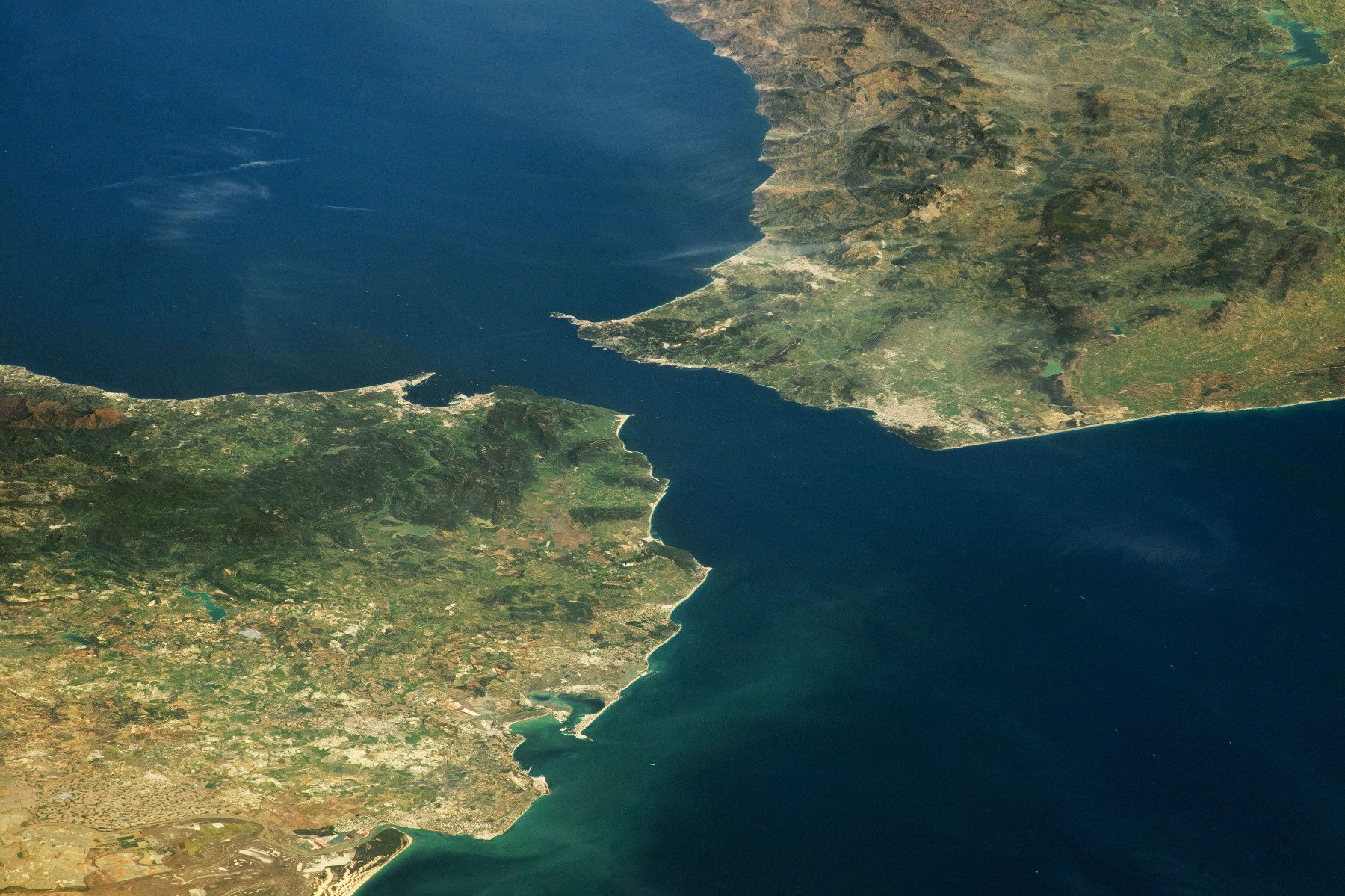


 Challenging Habitat