Atlantic Mantas, Rays & Sharks
The International Commission for the Conservation for Atlantic Tunas (ICCAT) will meet in Cyprus next week. If you want to know why that’s important for sharks, mantas and rays read on…

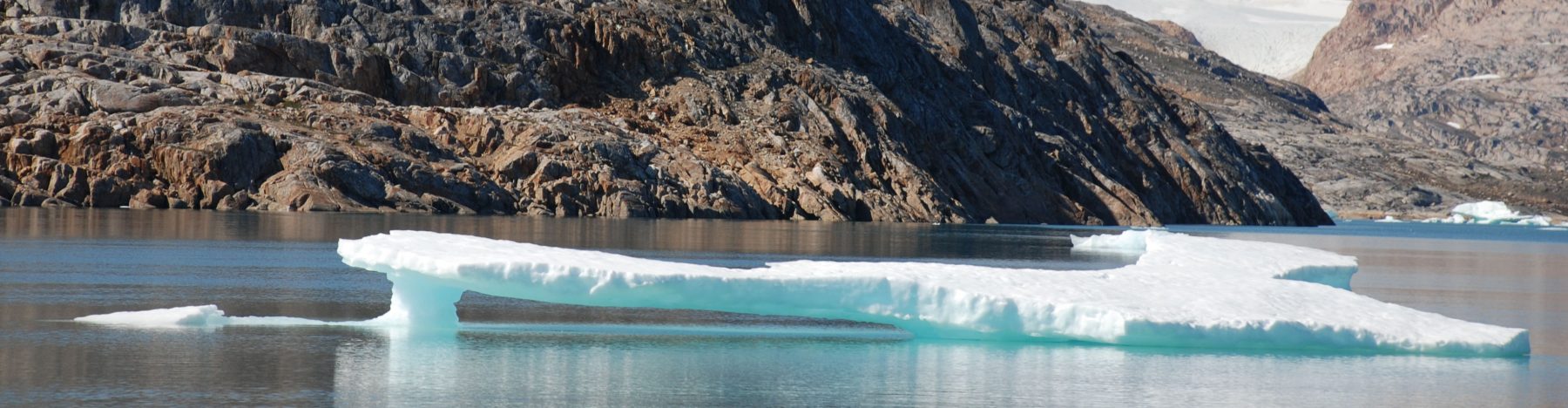

The International Commission for the Conservation for Atlantic Tunas (ICCAT) will meet in Cyprus next week. If you want to know why that’s important for sharks, mantas and rays read on…

Scientist in Residence Mauricio Ferreira spent several weeks on the sail training tall ship Pelican of London and involved teenagers in a plankton research project that compared biodiversity in coastal waters around the Irish Sea. With the right… Read More
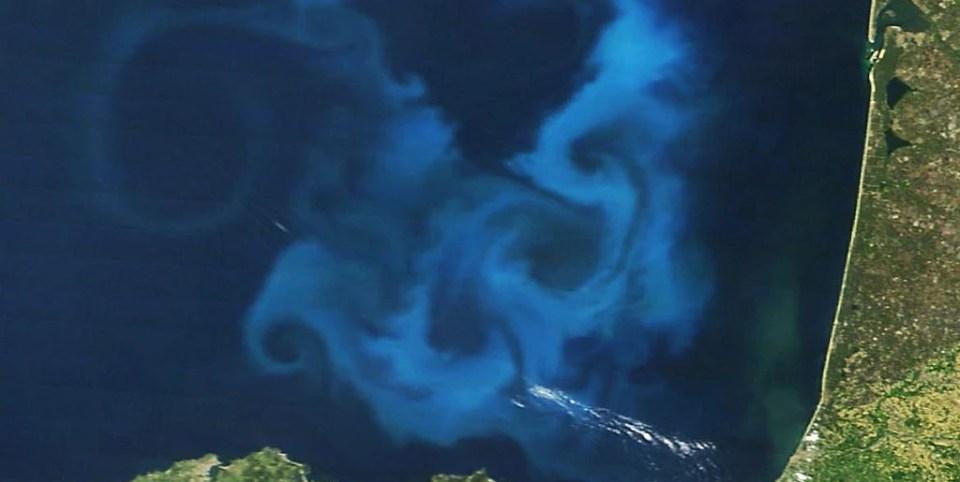
The young people who have joined us for one of our Ocean Science or STEAMS voyages on the sail training ship Pelican of London know already that the tiny algae that form the base of the entire ocean… Read More
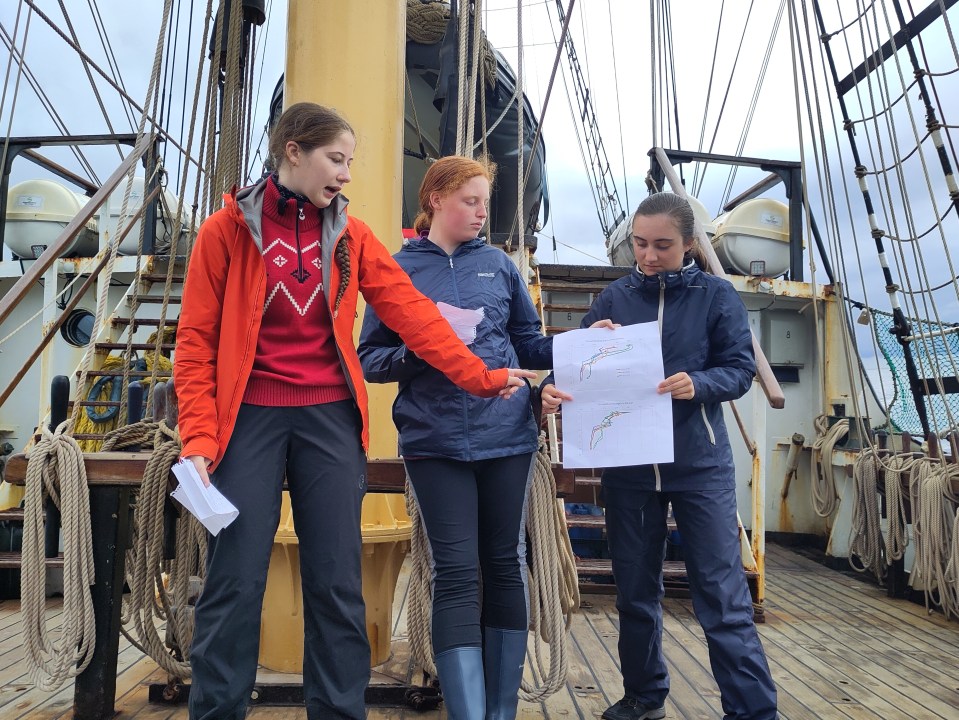
One of the most rewarding aspect of my job on Pelican of London is to sit down with a group of trainees, who just obtained a bunch of data from a scientific instrument, graph it, kick ideas around… Read More

Megan Farrer is a talented videographer who captured the spirit of our voyage and trainees perfectly on the Plymouth Ocean Science Voyage in nine short videos…

Plankton, fish, water, sand, sediment and bleach: 25 young people from Devon and Cornwall explore the marine system in a beautiful bay off Sark in the Channel Islands.

When Pelican of London graced the Tall Ship Fest 2024 in Barrow in Furness, I took the opportunity to explore the underwater world of Buccleuch Dock. Here is what I found…

The reflections of Andrea Garfias about her time on board the tall ship Pelican of London are not only eloquent but also poignant in tumultuous weeks on the streets of England.
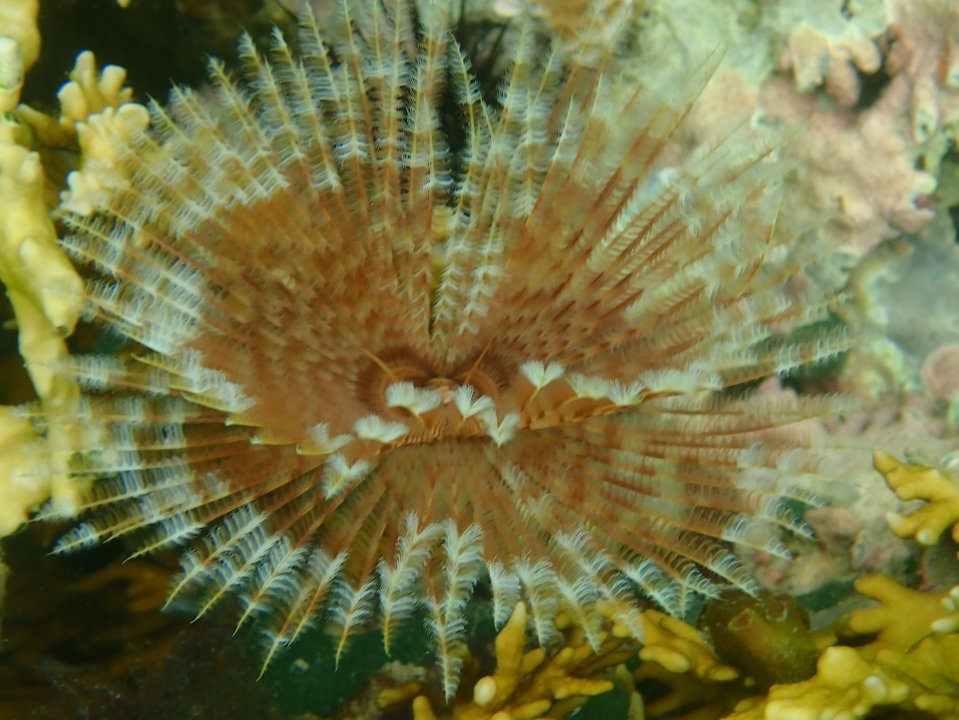
Whether it is a ‘landmark win for nature‘, ‘ocean floor mapping‘ or the ‘sex lives of corals‘, there is something for everyone in the Ocean Science Highlights.
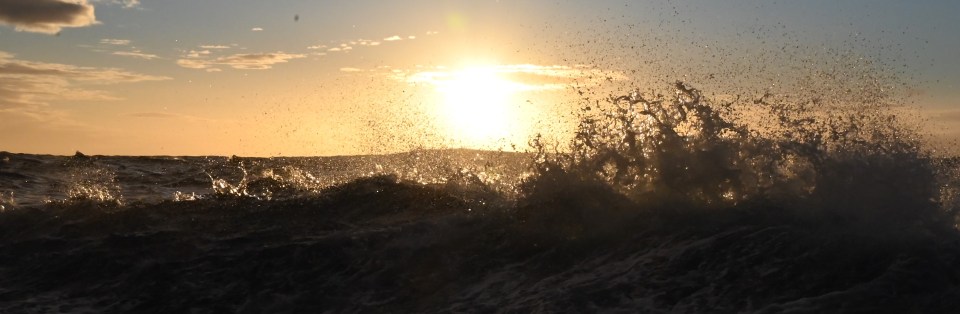
The Atlantic Meridional Overturning Circulation (AMOC) is the system of ocean currents that includes the Gulf Stream. What its weakening may mean for our weather and seafarers is explained by the National Oceanography Centre (NOC) in a new… Read More
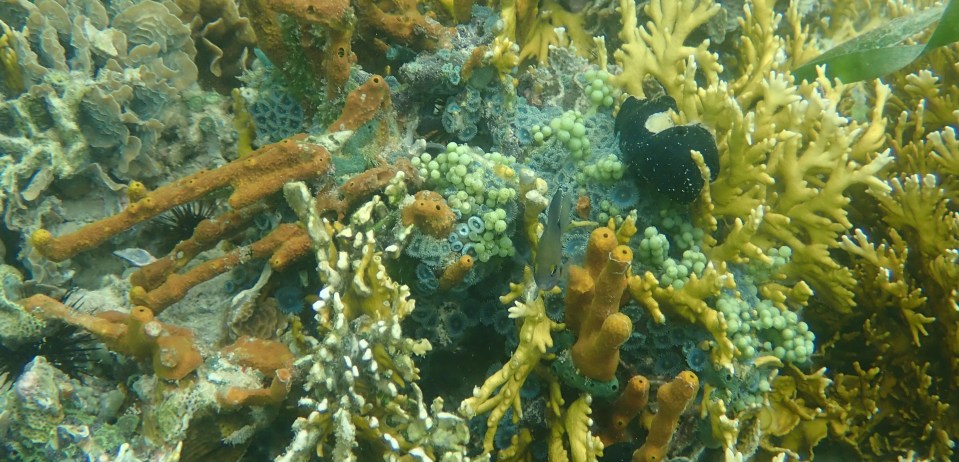
Three hours of blowing bubbles among the coral reefs around Bocas del Toro gave me plenty of time to take in beautiful impressions of a rich ecosystem and questions about its long-term survival.

Last year, Olivia Yorke-Dunne was our youngest ever Scientist in Residence on the sail training tall ship Pelican of London. This year, she’s been back.

