
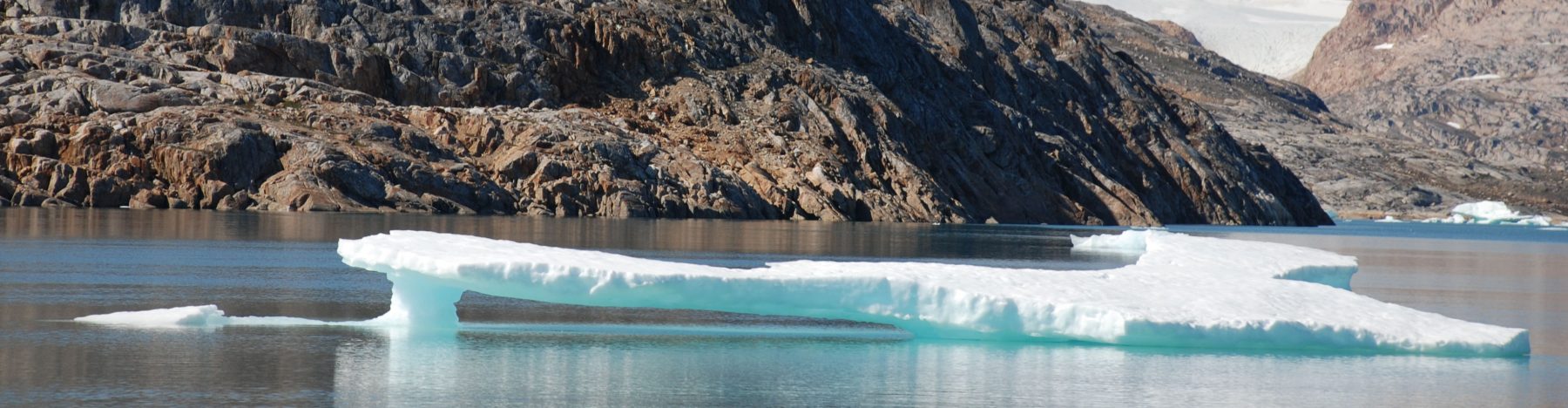

The 50th Bristol Harbour Festival was great fun: after a couple of years of COVID19 -induced absence, it returned with a wide range of activities, music and events for all ages.
Read More

I’m at sea aboard Pelican of London with 23 young sailors who share my interest in science and technology.
Read More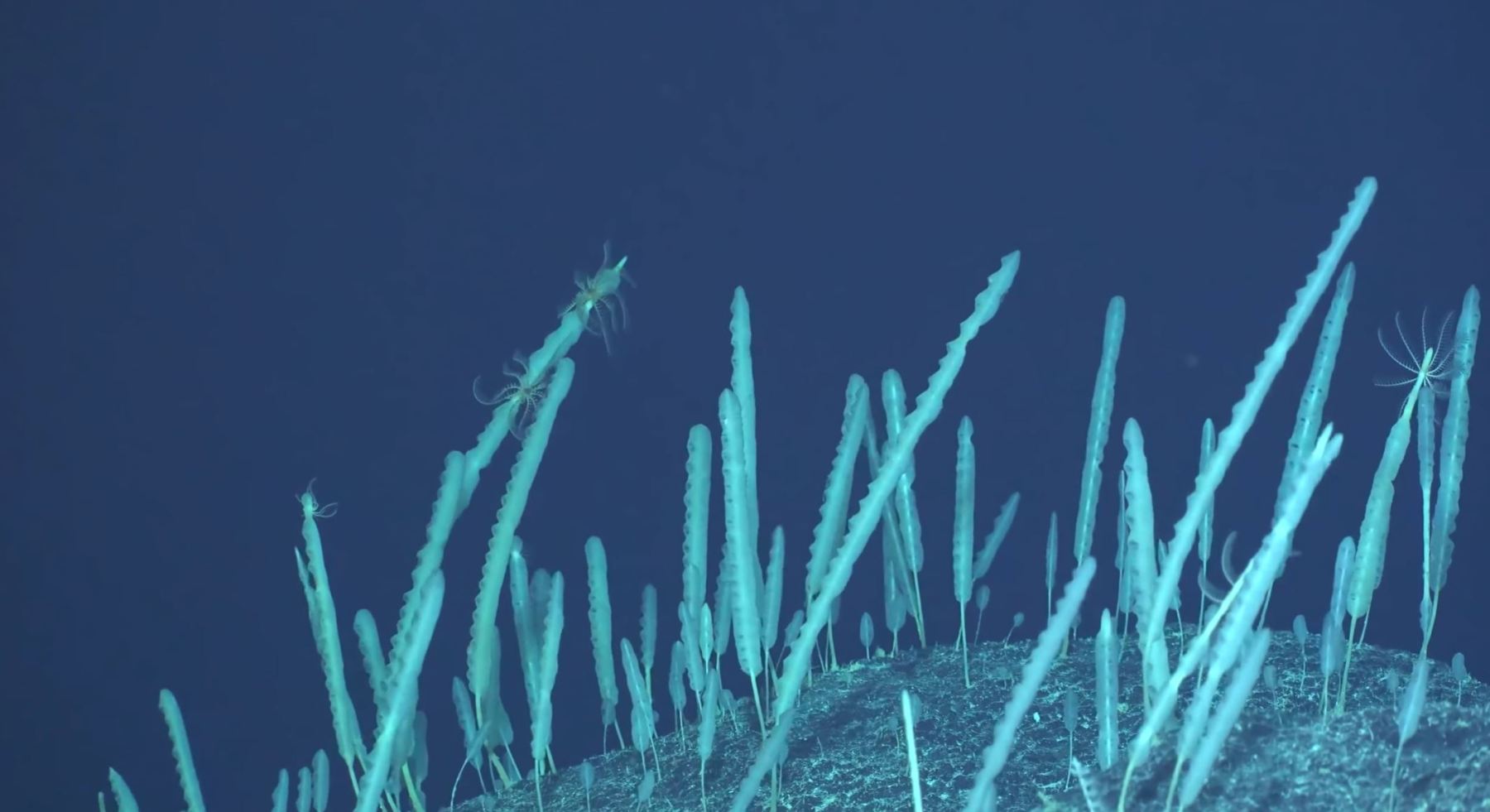

Back in January, Seas Your Future facilitated a fantastic opportunity for six young Scientists in Residence to carry out research project during a 12 day voyage on the Pelican of London along the Pacific Coast of Costa Rica. Here you can find out what they discovered:
Read More
When the Royal Meteorological Society invited me to write a guest blog about the Antarctic Quest 21 expedition for their MetMatters page, I analysed the daily SitReps provided daily from the Antarctic Peninsula by expedition leader Paul Hart to provide an insight how the weather and ice conditions determined the experience and progress of the expedition team.
Read More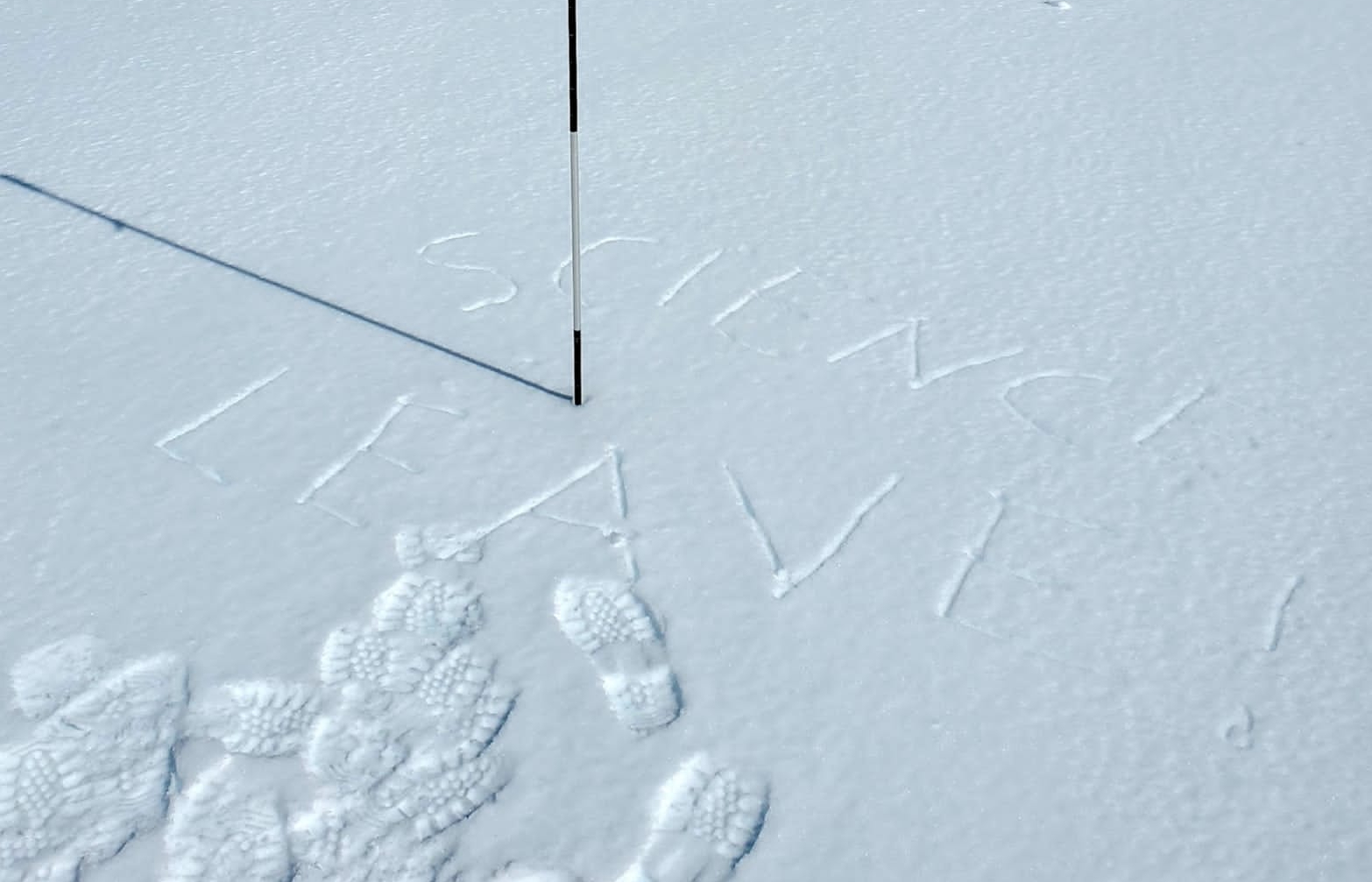
In his concluding situation report, Paul leaves it to others to judge whether Antarctic Quest 21 was a successful expedition.
I’ll try to provide him with an answer for his Priority 3: Science
Read More
The team safely back in Argentina and preparing to go their separate ways to rejoin families and pick up their lives back home, Paul find time for a concluding message.
Read More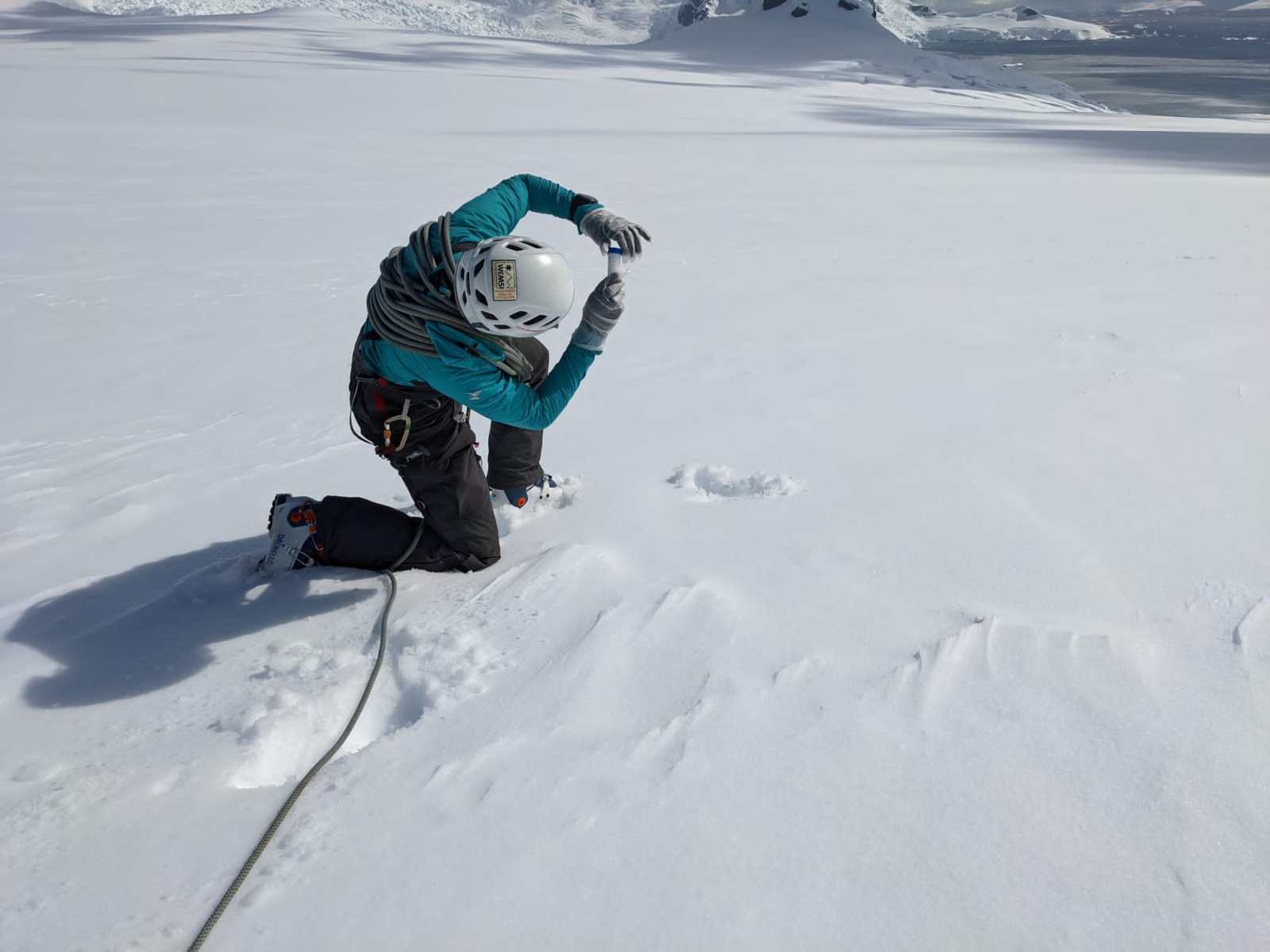
I have explained the background to the scientific projects we are supporting in a number of blog posts and on our website.
Now I provid an insight into what ‘doing science’ on the ice actually entails, with the example of sampling snow for metal analysis.
Read More
Simon Newton’s short film of the start of the expedition is now available. See it here!

As Antarctic Quest 21 draws to a close, the science team find time to send some video footage of what they have been doing.
Read More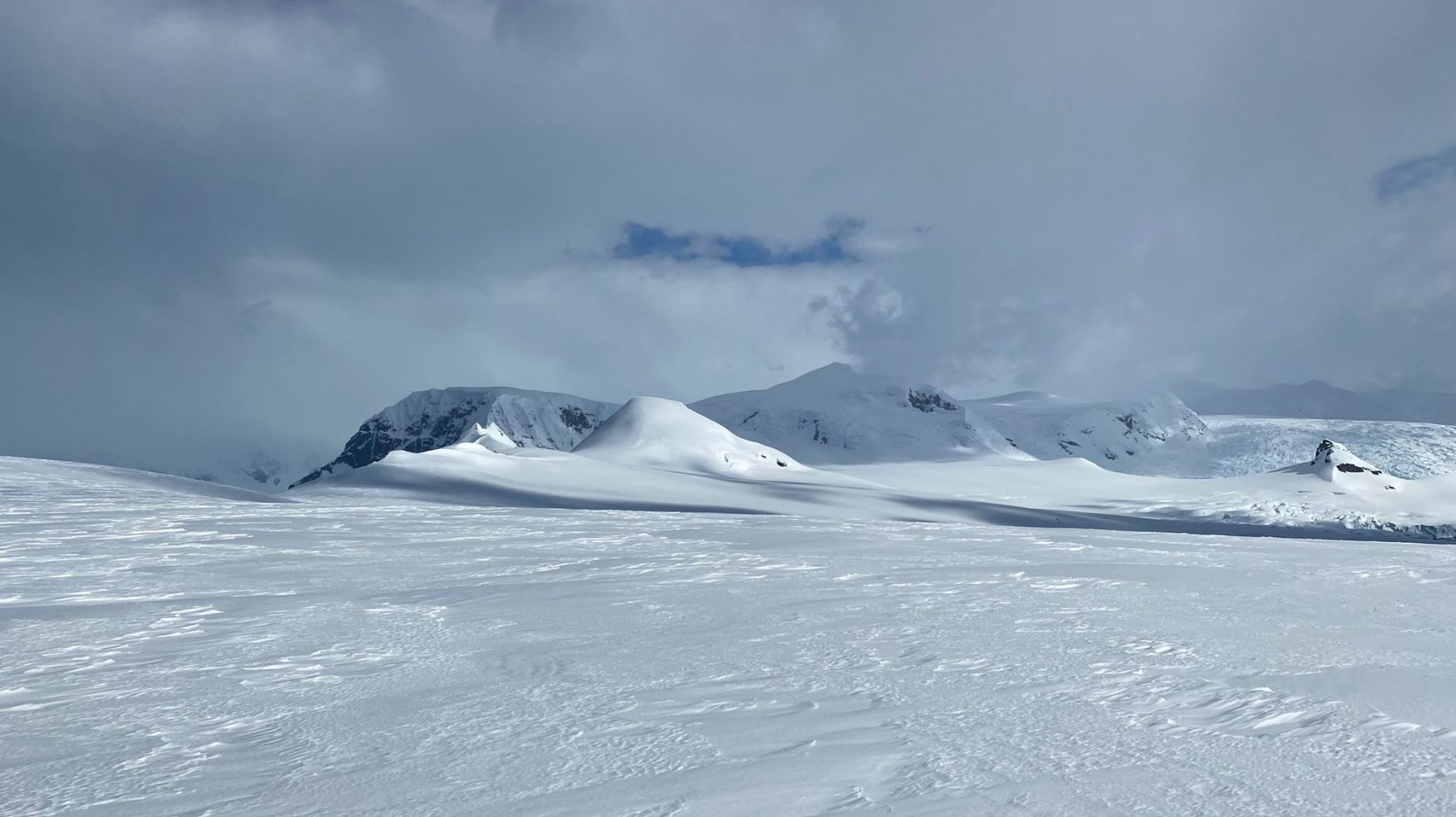
It was such fun to do this webinar for school kids from different ages and I was truly astonished what well-considered and pertinent questions I was asked. Well done, all of you!
There was one question I couldn’t answer at the time, but I looked it up after the webinar:
The amount of snow falling on Antarctica has been estimated to be around 2000 Gigatons per year. This is enough to cover the whole of Antarctica in 14 cm of water if it melted (or, as the estimate comes from Belgium, it would cover that country in 66 m of water).
The centre of Antarctica is relatively dry and most of the snow falls on the margins of the continent, in particular in on the Antarctic Peninsula and the West Antarctic Ice Shelf. To put it into a Southwest UK context, in terms of water, the western Antarctic Peninsula receives about as much as Dartmoor (around 2000 – 2500 mm).
So, what is a Gigaton? ‘Giga’ is the prefix for one billion (1 000 000 000 or 109). So, we are talking about 2 x 10¹² tons or 2 x 10¹⁵ kg (1 000 000 000 000 000 kg).
 Challenging Habitat