Challenging Habitat

I’ve written about Antarctic krill before, just around World Krill Day in 2022, and three years on, the international community is not much closer to protecting krill for krill’s sake, for ecosystem’s sake, for climate regulation‘s and all of our sake…

Read More

When, in May 2025, the UK Met Office reported that “Northwest European waters are currently experiencing an extreme marine heatwave“, the yachting community in Plymouth had been talking about worsening fouling on their boats for weeks.

Read More

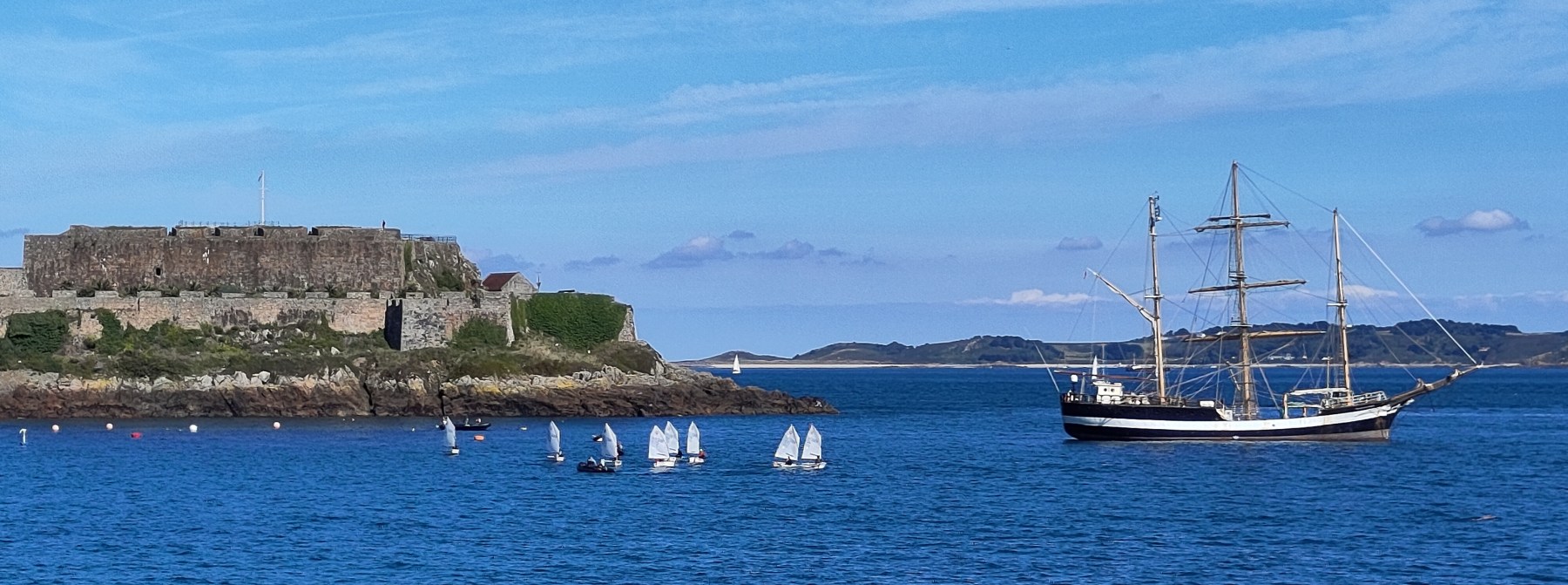
The young people who have joined us for one of our Ocean Science or STEAMS voyages on the sail training ship Pelican of London know already that the tiny algae that form the base of the entire ocean food web have several superpowers: they change the chemistry of seawater and regulate our planet’s climate.

Read More

Plankton, fish, water, sand, sediment and bleach: 25 young people from Devon and Cornwall explore the marine system in a beautiful bay off Sark in the Channel Islands.

Read More

Another Earth Day – another opportunity to reflect on my footprint. No better way to start this day than walk the earth without shoes, feel soil and stones, let the cold dew wet the skin between my toes, sense the odd nettle sting and slug adhere momentarily …

Read More

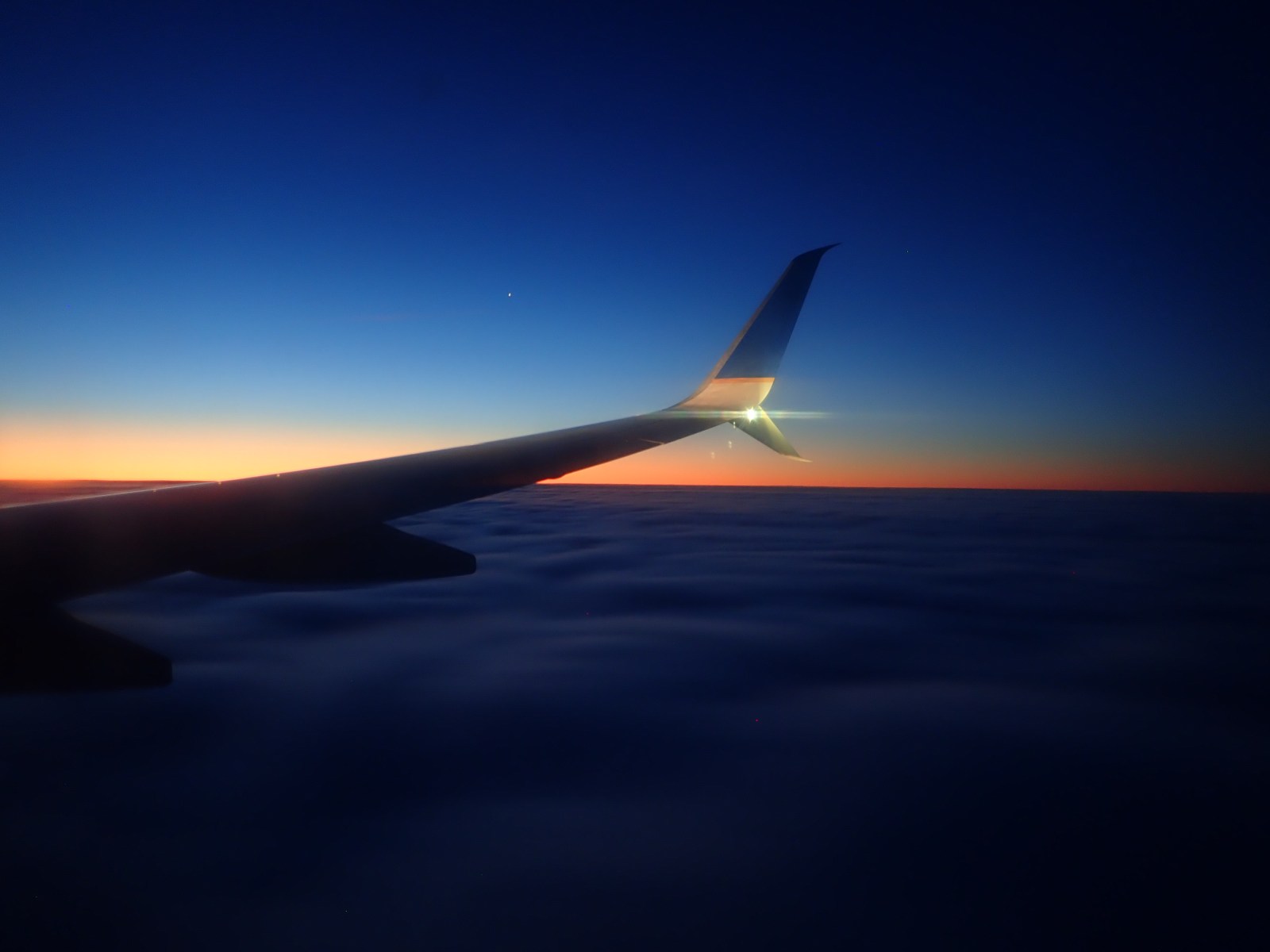
Sometimes my job involves flying to distant places and for my recent trip to Panama for the sail training charity Seas Your Future, I sought to find out about the fuel consumption and carbon footprint for different routes. I found interesting results worthy of consideration.

Read More

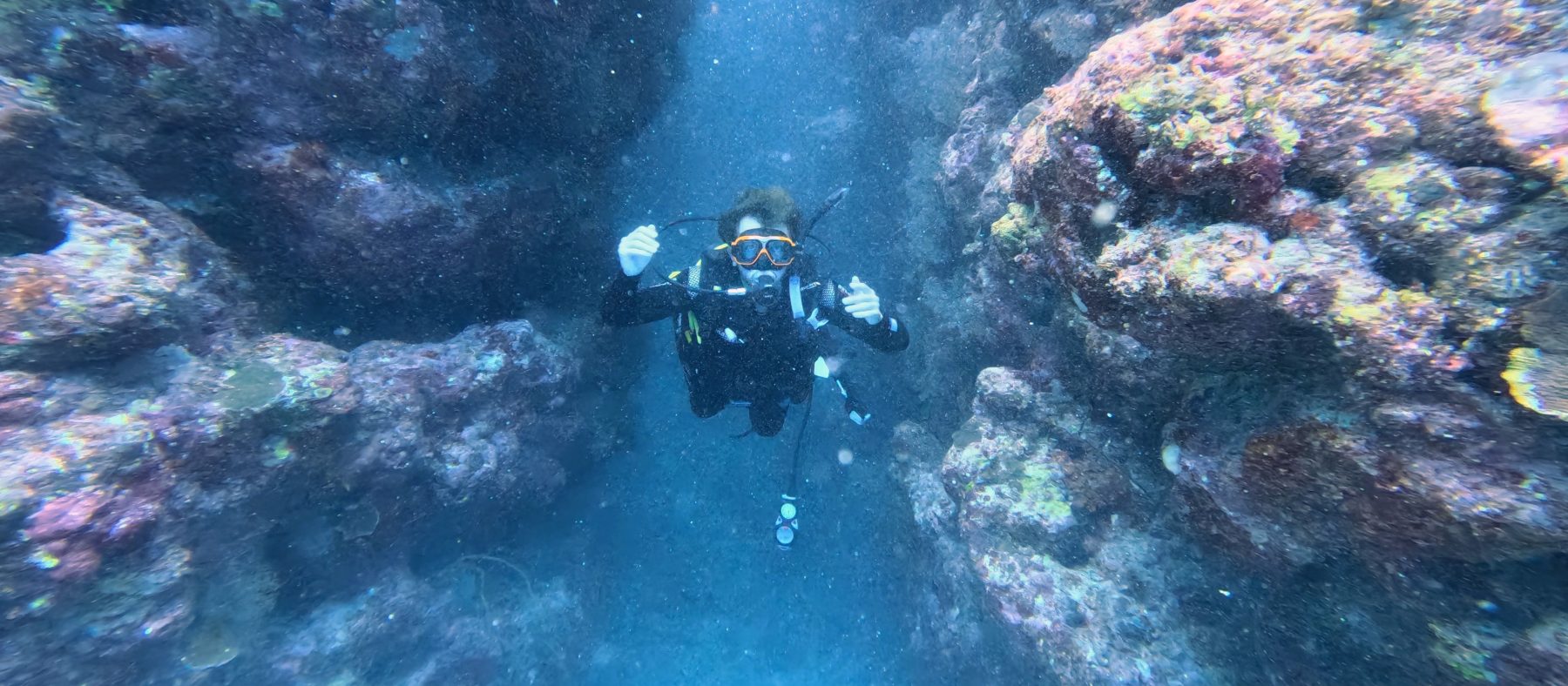
Three hours of blowing bubbles among the coral reefs around Bocas del Toro gave me plenty of time to take in beautiful impressions of a rich ecosystem and questions about its long-term survival.

Read More

In 1922, the British geologist R. L. Sherlock argued that humankind had a major impact on inanimate nature in his work “Man as a Geological Agent”. 101 years later, the Anthropocene Working Group proposed Crawford Lake in Canada as the official site for marking the beginning of a the Anthropocene, a new epoch on the geological time scale.

Read More

Science communication can take many formats, from the diaries of explorers, meticulous records of experiments in the field and laboratory, the detailed and highly technical publications in scientific research journals and textbooks, to popular science books, magazines, documentaries and diverse media web content.

Read More

My first close encounter with pollution emanating from the abandoned mines in England’s Southwest occurred in the mid 1990s, when research for my undergraduate dissertation brought me to Restronguet Creek in the Fal Estuary. A former tin mine had come to fame for all the wrong reasons…

Read More