
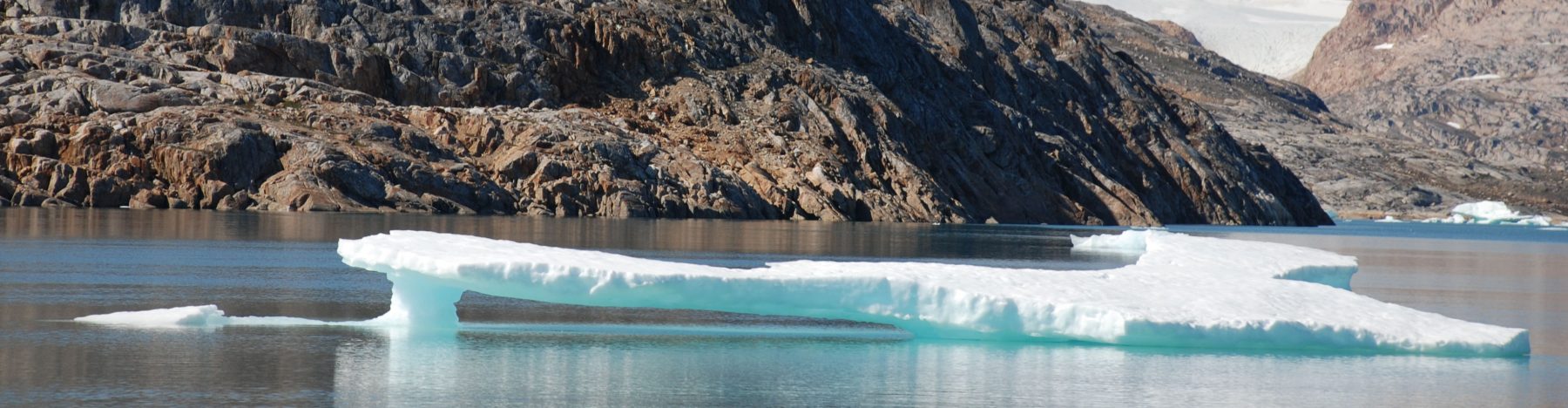

Half of the oxygen that sustains life on Earth is produced in the ocean…
Read More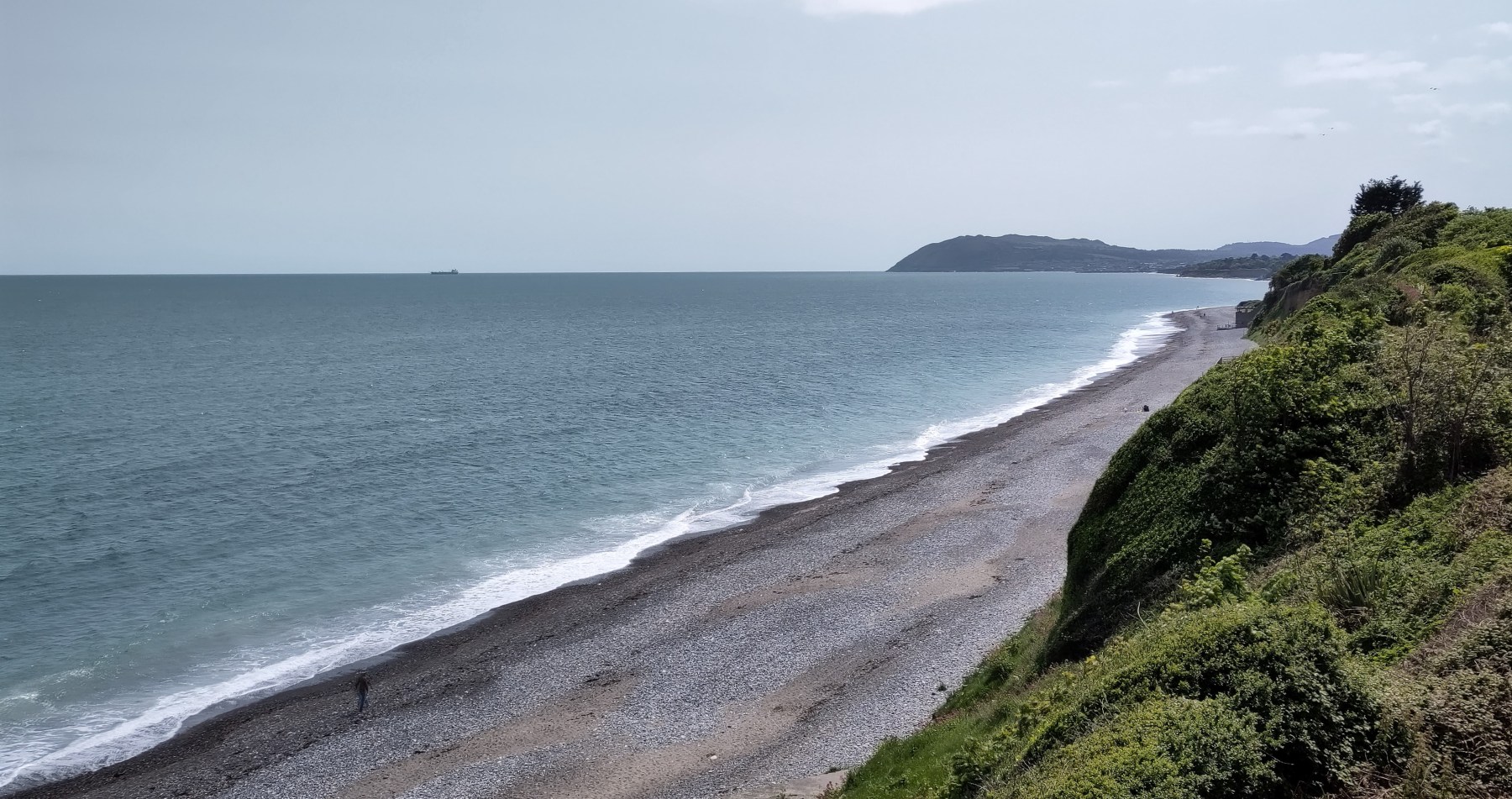
Once more, I joined the sail training tall ship Pelican of London for STEM at SEA education voyages with Sail Training Ireland youngsters on board. We have a little more time than usual in Dublin and we make the best of the glorious sunshine with some science on the beach…
Read More
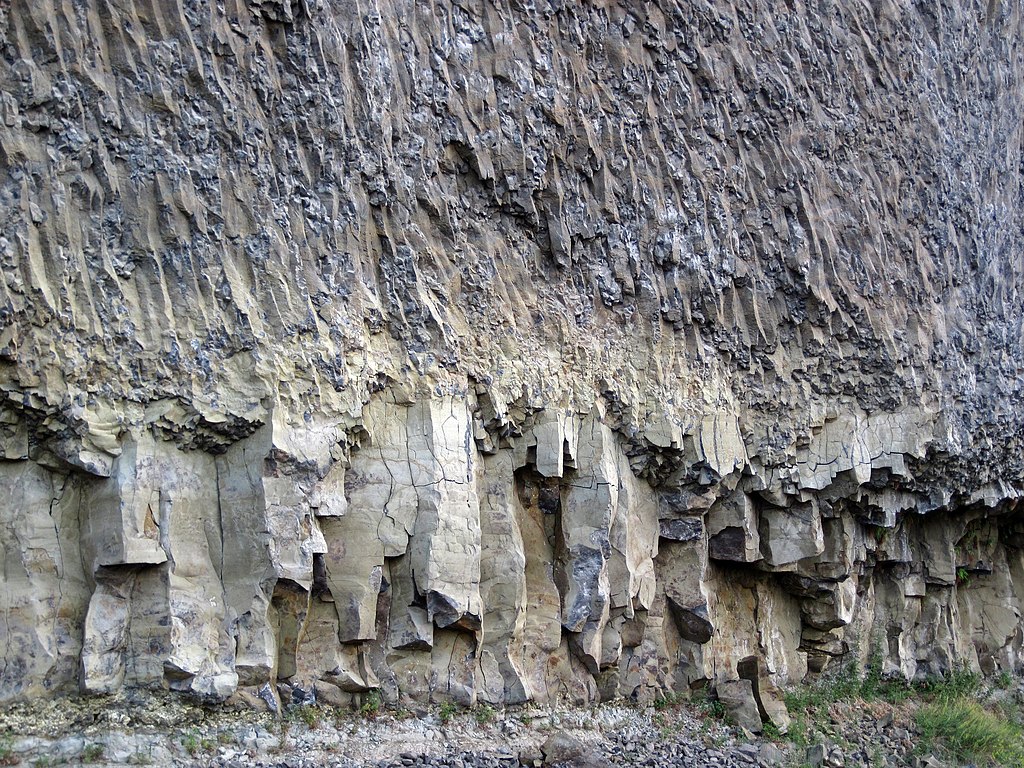
The ultimate rock music has been created! Whether or not you’re a fan, it’s worth reading on…
Read More
Now here is a thought: Fishy breath, trampling and carnage are good things (in the right context).
Read More
Do you want to be an Ocean Advocate and don’t know what to do to achieve this?
Read More
It’s a long story that shows the value of perseverance and the benefits of patience mixed with a little fortitude.
Read More
I’m in the Caribbean!
Read More
For many decades, we’ve released too much carbon dioxide and other greenhouse gases into the atmosphere and for some decades, scientists have developed and tested geoengineering solutions for the consequences of increased concentrations of greenhouse gases in our atmosphere.
Today, the online version of Science reported yet another approach…that once more shows that there is nothing such as a free lunch.
Read More
I don’t usually share personal experiences here, but for the benefit of prickly wildlife, I’ll make an exception today.
Read More
the United Nations Environment Programme (UNEP) state that around 50,000 wild species are used by humans through hunting, fishing, gathering, logging and harvesting, as well as observing. Around 20% of humanity rely on wild species for income and food (IPBES Report).
Read More
We are celebrating the 250th birthday of Luke Howard, the man who named the clouds. Besides studying languages, pharmacy and natural sciences, he was an ‘amateur’ meteorologist. The Royal Meteorological Society is marking his contribution to the field with an article in their journal Weather and holds many of his watercolour studies of clouds, which are presented and discussed in more detail in the Science Museum Group Journal.
Read More
As scientist I spent many years finding out how human activity (in my case, metal mining) affects soil, water and organisms, how pollutants move and change in the environment, where they finish up.
Read More Challenging Habitat