Challenging Habitat

I’ve written about Antarctic krill before, just around World Krill Day in 2022, and three years on, the international community is not much closer to protecting krill for krill’s sake, for ecosystem’s sake, for climate regulation‘s and all of our sake…

Read More

To me, life is about curiosity and learning and growing. I love talking and working with people who have different backgrounds and expertises, because there is always the potential for a surprise, a fact, a story, a new understanding …

Read More

Let’s spell it out: cleaning communal toilets, sharing a dormitory with strangers, travel sickness, washing up for 46 people and standing in the wind and rain for hours on end are not common entries on people’s lists of favourite activities.

Yet 27 young people chose to do just that for a chance to live on ‘planet Pelican‘ for a while and experience all the good stuff that comes with it…

Read More

Two years ago, I read an article in Nature News called “Catastrophic change looms as Earth nears climate ‘tipping points’[1], referring to the Global Tipping Points Report 2023, the article warned about Arctic and Antarctic ice, coral reefs and other Earth system poised to cross thresholds in their decline that are irreversible and that threaten the stability of the Earth system as we know it.

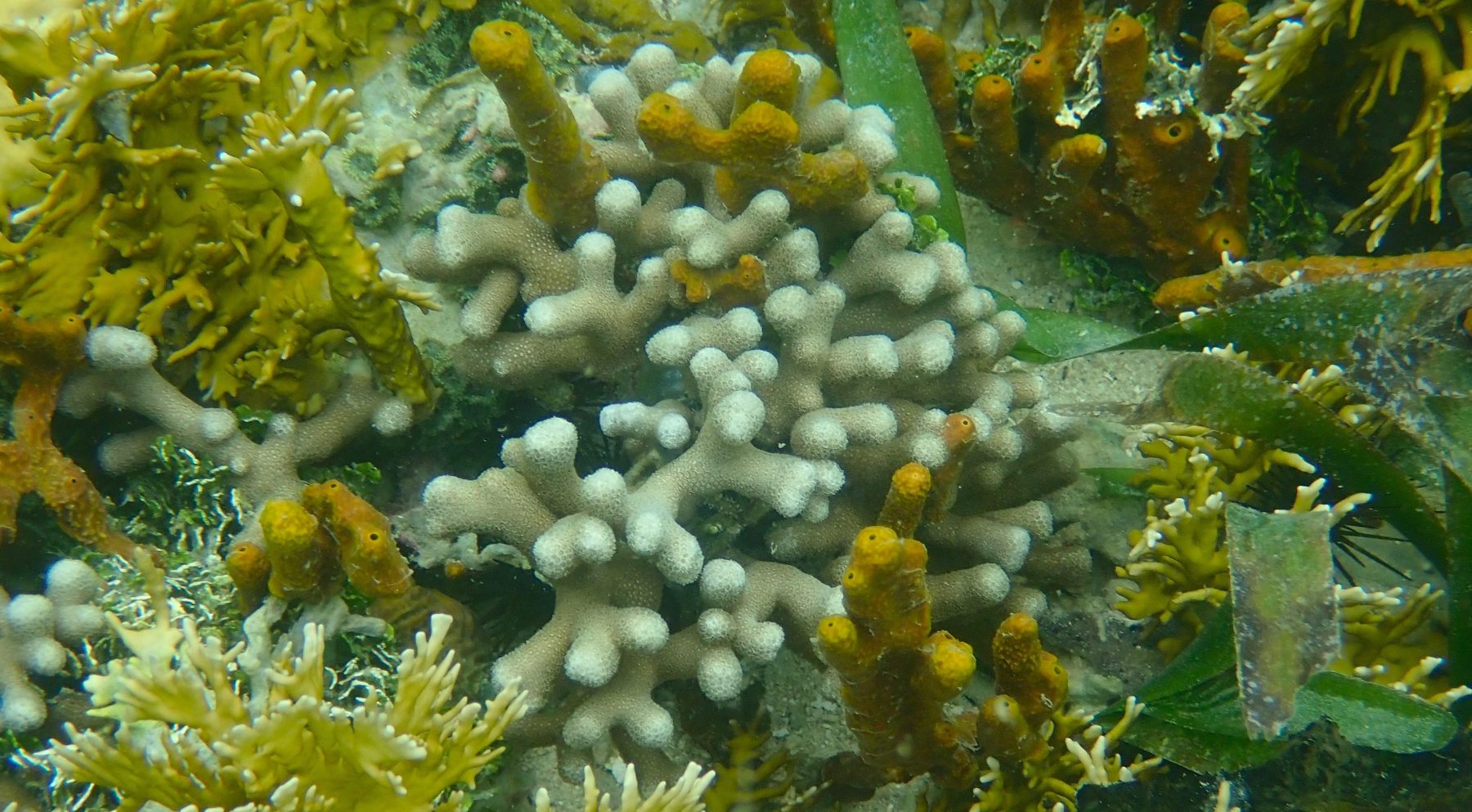
Now ‘Team Earth’ have crossed the first of around 20 climate change tipping points [2]: the international group of scientists working on the Global Tipping Points Report 2025 [3] suggest that this year’s extent of coral bleaching and death mark Earth’s first climate tipping point being reached.

The foreword to the report by André Aranha Correa do Lago, President Designate of COP30, talks of urgency and possibility [3].

So, what’s next?

Read More

When, in May 2025, the UK Met Office reported that “Northwest European waters are currently experiencing an extreme marine heatwave“, the yachting community in Plymouth had been talking about worsening fouling on their boats for weeks.

Read More

When I discovered that a one-inch-square piece of kelp frond is a microcosm of creatures, (once more) the enormity of the ocean and what we don’t yet know about it, dawned on me.

Read More

The young people who have joined us for one of our Ocean Science or STEAMS voyages on the sail training ship Pelican of London know already that the tiny algae that form the base of the entire ocean food web have several superpowers: they change the chemistry of seawater and regulate our planet’s climate.

Read More

One of the most rewarding aspect of my job on Pelican of London is to sit down with a group of trainees, who just obtained a bunch of data from a scientific instrument, graph it, kick ideas around to make sense of it and place it into a bigger context.

Read More

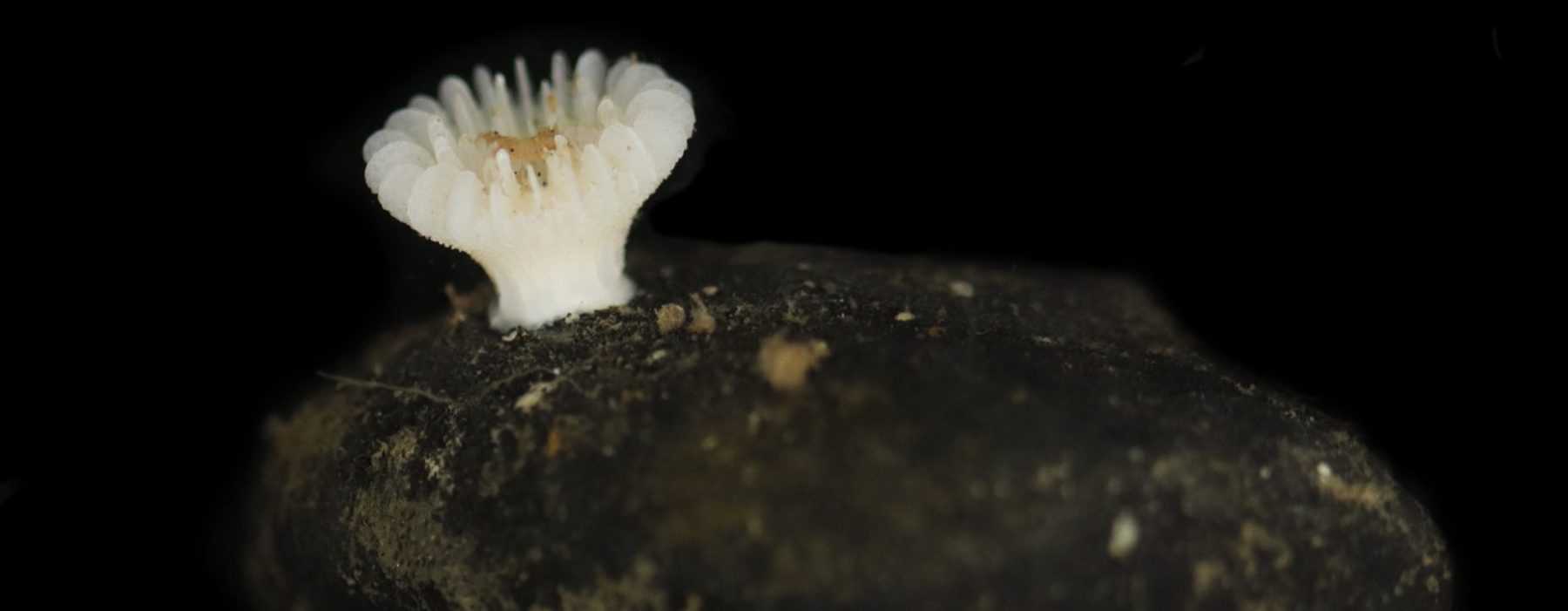
It is National Marine Week and the Wildlife Trusts invite everyone to a multitude of events and actions around the country and to Sea the Connection we have with the ocean. Personally, it is the mysterious deep that fascinates me most and this week, a deep sea discovery blew my scientific mind…

Read More

The Atlantic Meridional Overturning Circulation (AMOC) is the system of ocean currents that includes the Gulf Stream. What its weakening may mean for our weather and seafarers is explained by the National Oceanography Centre (NOC) in a new animation.

Read More