

I work with very special people …
Read More
Megan Farrer is a talented videographer who captured the spirit of our voyage and trainees perfectly on the Plymouth Ocean Science Voyage in nine short videos…
Read More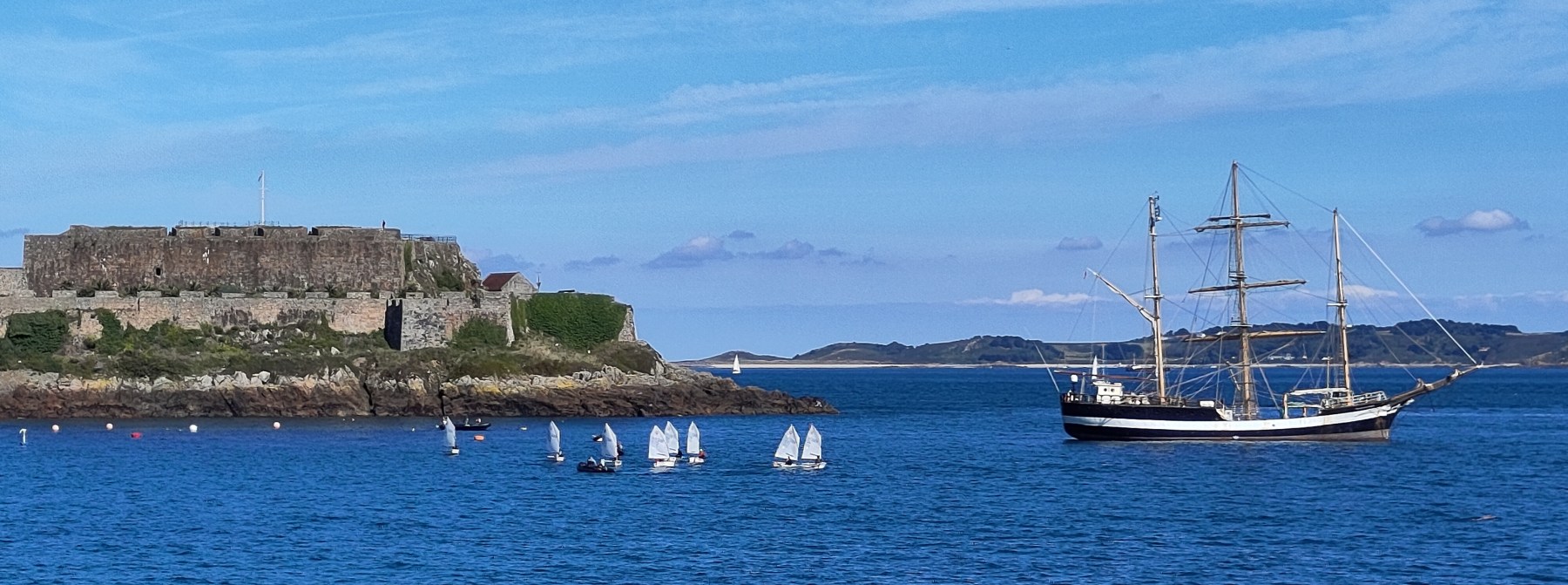
Plankton, fish, water, sand, sediment and bleach: 25 young people from Devon and Cornwall explore the marine system in a beautiful bay off Sark in the Channel Islands.
Read More
It is National Marine Week and the Wildlife Trusts invite everyone to a multitude of events and actions around the country and to Sea the Connection we have with the ocean. Personally, it is the mysterious deep that fascinates me most and this week, a deep sea discovery blew my scientific mind…
Read More
Whether it is a ‘landmark win for nature‘, ‘ocean floor mapping‘ or the ‘sex lives of corals‘, there is something for everyone in the Ocean Science Highlights.
Read More

If these are words that chime with you, read on…
Read More
As an environmental scientist, I value biodiversity and working with the sail training charity Seas Your Future* I found myself in an organisation with innate knowledge that diversity in people and their talents is as important for society as biodiversity is in ecosystems.
Read More
I’ve got a great new ‘toy’ that gets me to explore the world below the sea surface without getting wet. Don’t get me wrong: I like water sports, including snorkelling, but this goes deeper: 150 metres!
Read More
The future of your (grand)children will be shaped by the fate of the Atlantic meridional overturning circulation.
Read More
Three hours of blowing bubbles among the coral reefs around Bocas del Toro gave me plenty of time to take in beautiful impressions of a rich ecosystem and questions about its long-term survival.
Read More
In 1922, the British geologist R. L. Sherlock argued that humankind had a major impact on inanimate nature in his work “Man as a Geological Agent”. 101 years later, the Anthropocene Working Group proposed Crawford Lake in Canada as the official site for marking the beginning of a the Anthropocene, a new epoch on the geological time scale.
Read More Challenging Habitat