
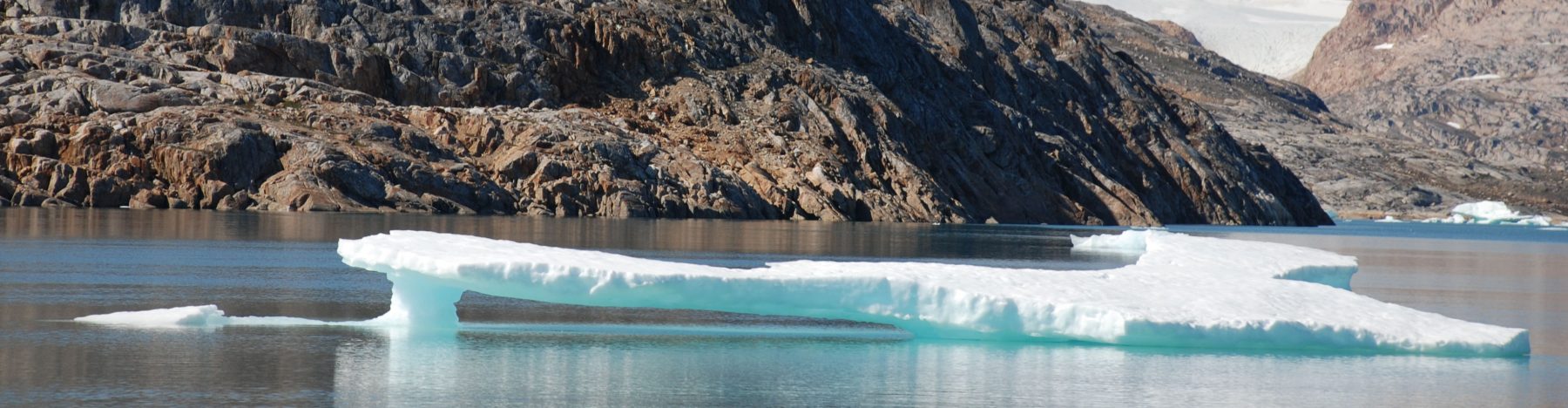

During this year’s Plymouth Ocean Science Voyage aboard Pelican of London 25 youngsters from Devon and Cornwall sailed to the Channel Islands. As we spent a day of research in a beautiful bay enclosed by the islands of Sark and Brecqhou, one project group explored the underwater world using an ROV.
Read More
Megan Farrer is a talented videographer who captured the spirit of our voyage and trainees perfectly on the Plymouth Ocean Science Voyage in nine short videos…
Read More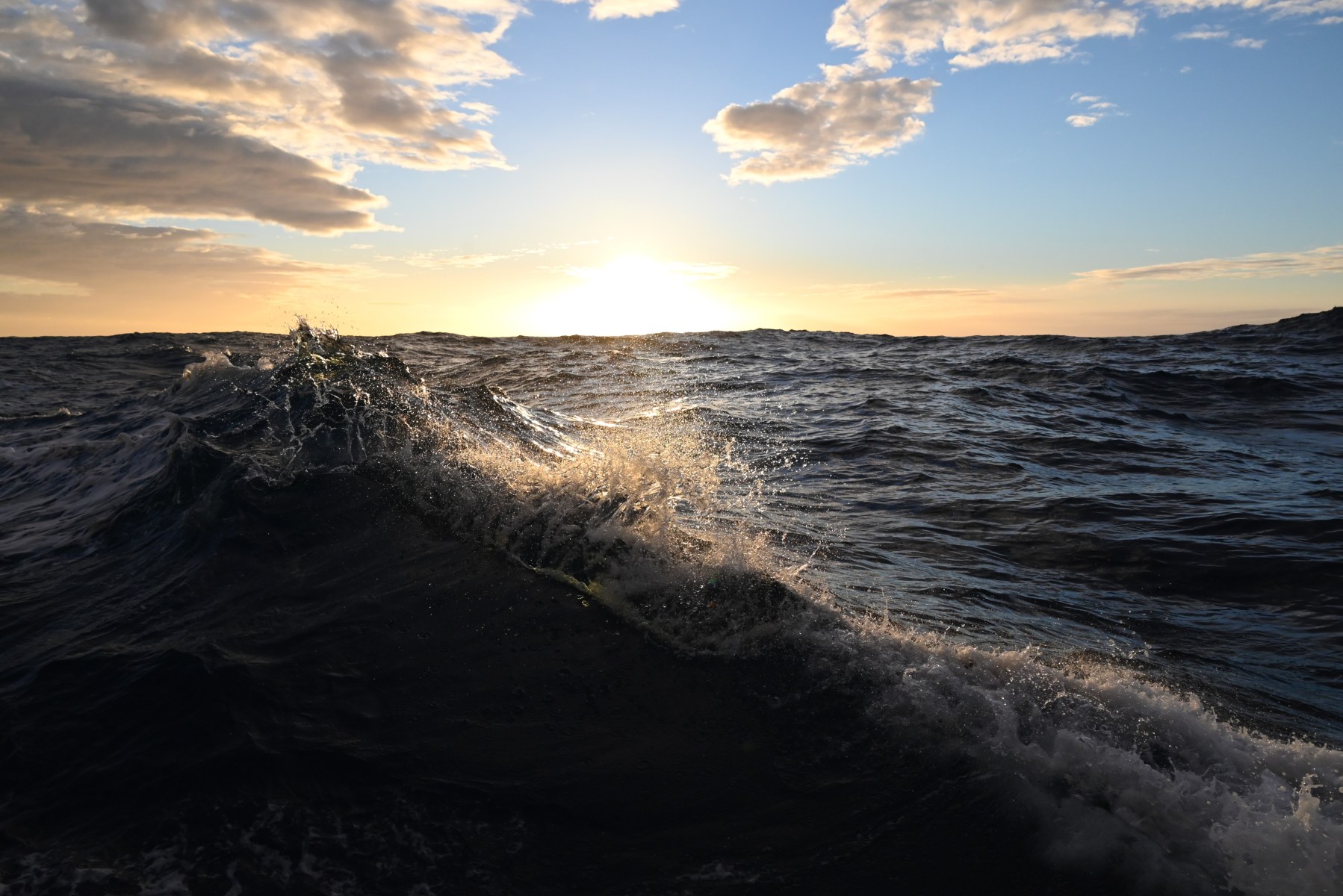
“Never before could we see or understand that the most important thing we extract from the ocean is our existence.”
Read More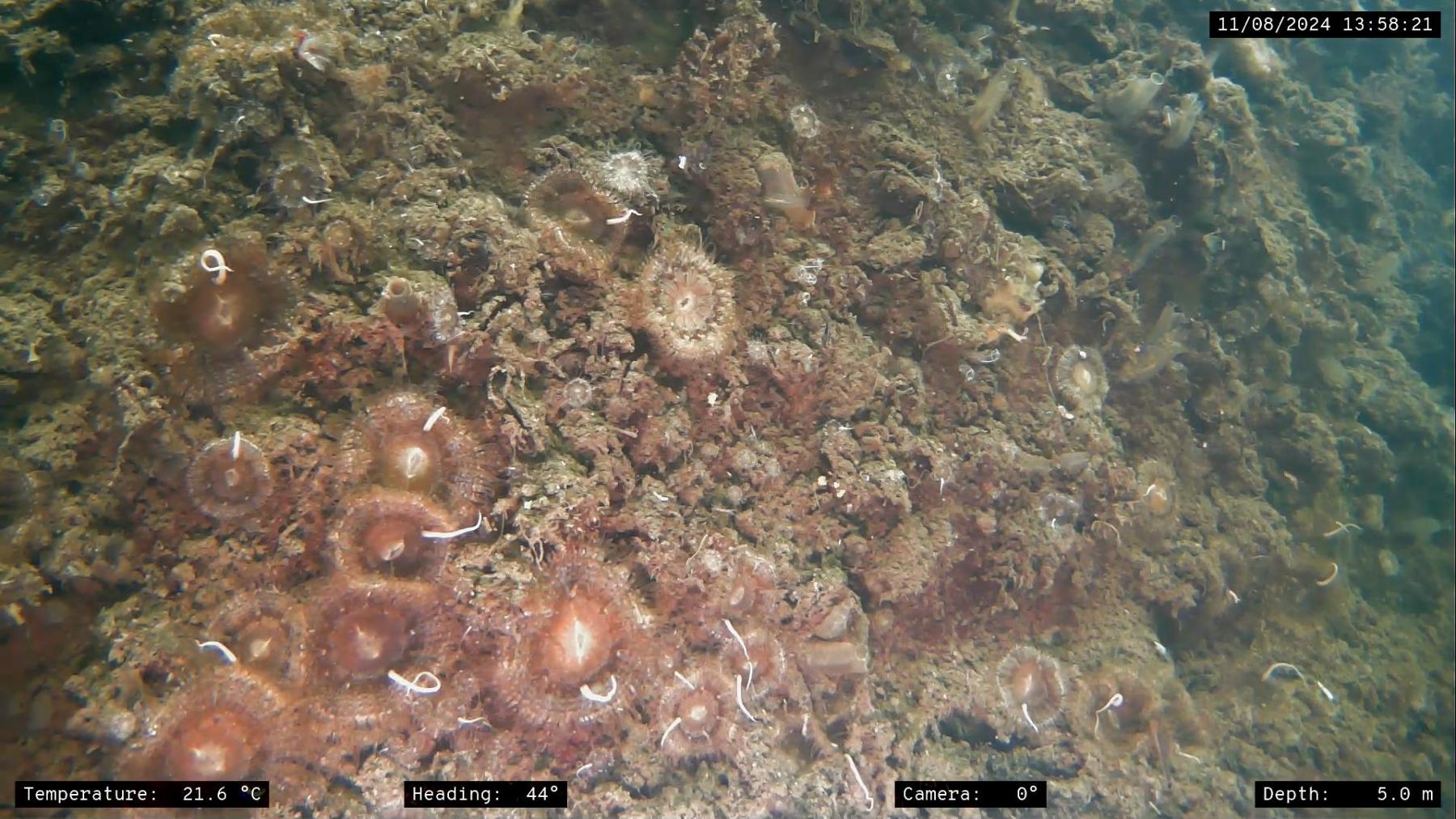
When Pelican of London graced the Tall Ship Fest 2024 in Barrow in Furness, I took the opportunity to explore the underwater world of Buccleuch Dock. Here is what I found…
Read More
The reflections of Andrea Garfias about her time on board the tall ship Pelican of London are not only eloquent but also poignant in tumultuous weeks on the streets of England.
Read More
It is National Marine Week and the Wildlife Trusts invite everyone to a multitude of events and actions around the country and to Sea the Connection we have with the ocean. Personally, it is the mysterious deep that fascinates me most and this week, a deep sea discovery blew my scientific mind…
Read More
Whether it is a ‘landmark win for nature‘, ‘ocean floor mapping‘ or the ‘sex lives of corals‘, there is something for everyone in the Ocean Science Highlights.
Read More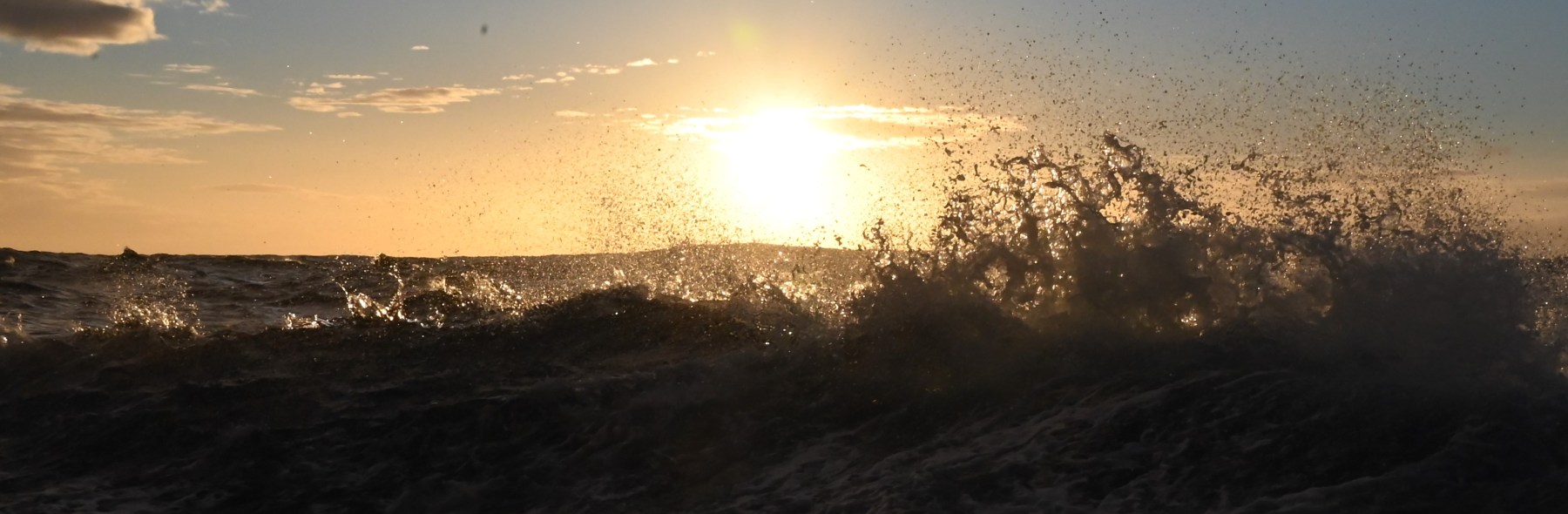

If these are words that chime with you, read on…
Read More
As an environmental scientist, I value biodiversity and working with the sail training charity Seas Your Future* I found myself in an organisation with innate knowledge that diversity in people and their talents is as important for society as biodiversity is in ecosystems.
Read More
I’ve got a great new ‘toy’ that gets me to explore the world below the sea surface without getting wet. Don’t get me wrong: I like water sports, including snorkelling, but this goes deeper: 150 metres!
Read More
Another Earth Day – another opportunity to reflect on my footprint. No better way to start this day than walk the earth without shoes, feel soil and stones, let the cold dew wet the skin between my toes, sense the odd nettle sting and slug adhere momentarily …
Read More Challenging Habitat