
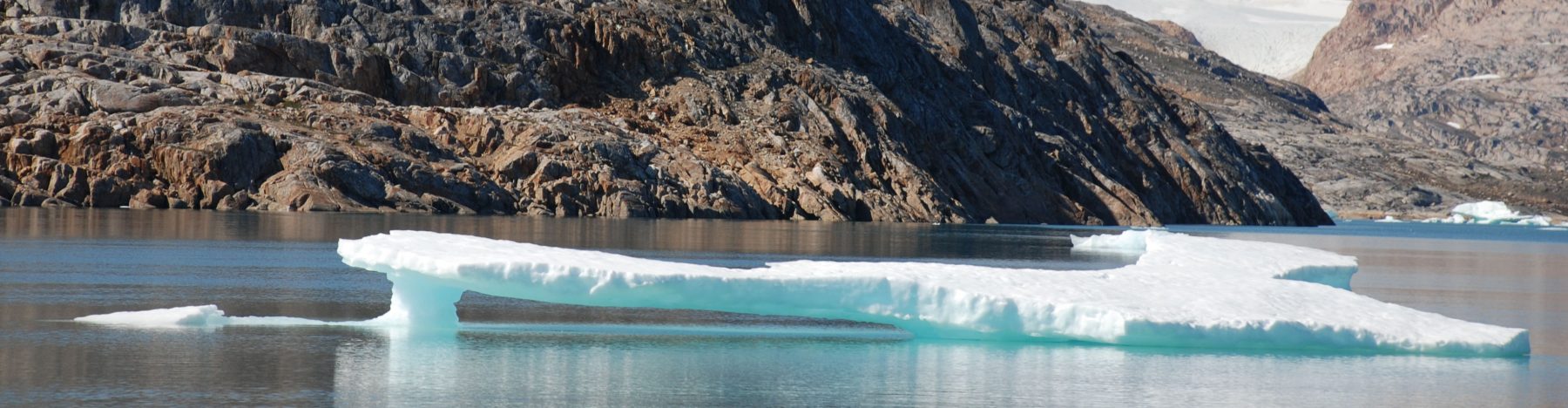

I’ve got a great new ‘toy’ that gets me to explore the world below the sea surface without getting wet. Don’t get me wrong: I like water sports, including snorkelling, but this goes deeper: 150 metres!
Read More
Three hours of blowing bubbles among the coral reefs around Bocas del Toro gave me plenty of time to take in beautiful impressions of a rich ecosystem and questions about its long-term survival.
Read More
In 1922, the British geologist R. L. Sherlock argued that humankind had a major impact on inanimate nature in his work “Man as a Geological Agent”. 101 years later, the Anthropocene Working Group proposed Crawford Lake in Canada as the official site for marking the beginning of a the Anthropocene, a new epoch on the geological time scale.
Read More
Science communication can take many formats, from the diaries of explorers, meticulous records of experiments in the field and laboratory, the detailed and highly technical publications in scientific research journals and textbooks, to popular science books, magazines, documentaries and diverse media web content.
Read More
Last year, Olivia Yorke-Dunne was our youngest ever Scientist in Residence on the sail training tall ship Pelican of London. This year, she’s been back.
Read More
We take young people to the beach to transform…
Read More
I am a fan of crowd-sourcing scientific data. I know it has its challenges, not least relating to quality control and assurance, but in my view that is balanced by the added value of engaging the public in the scientific process.
Read More
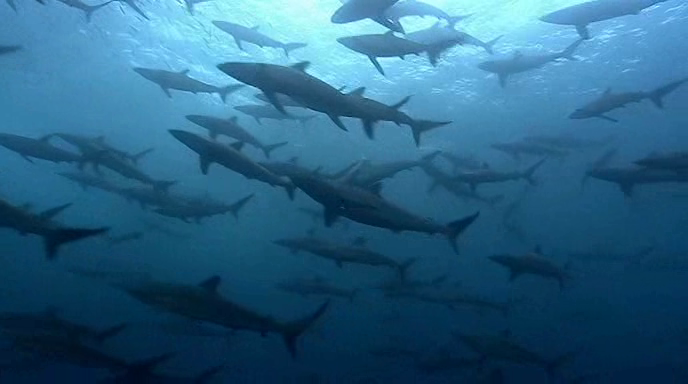
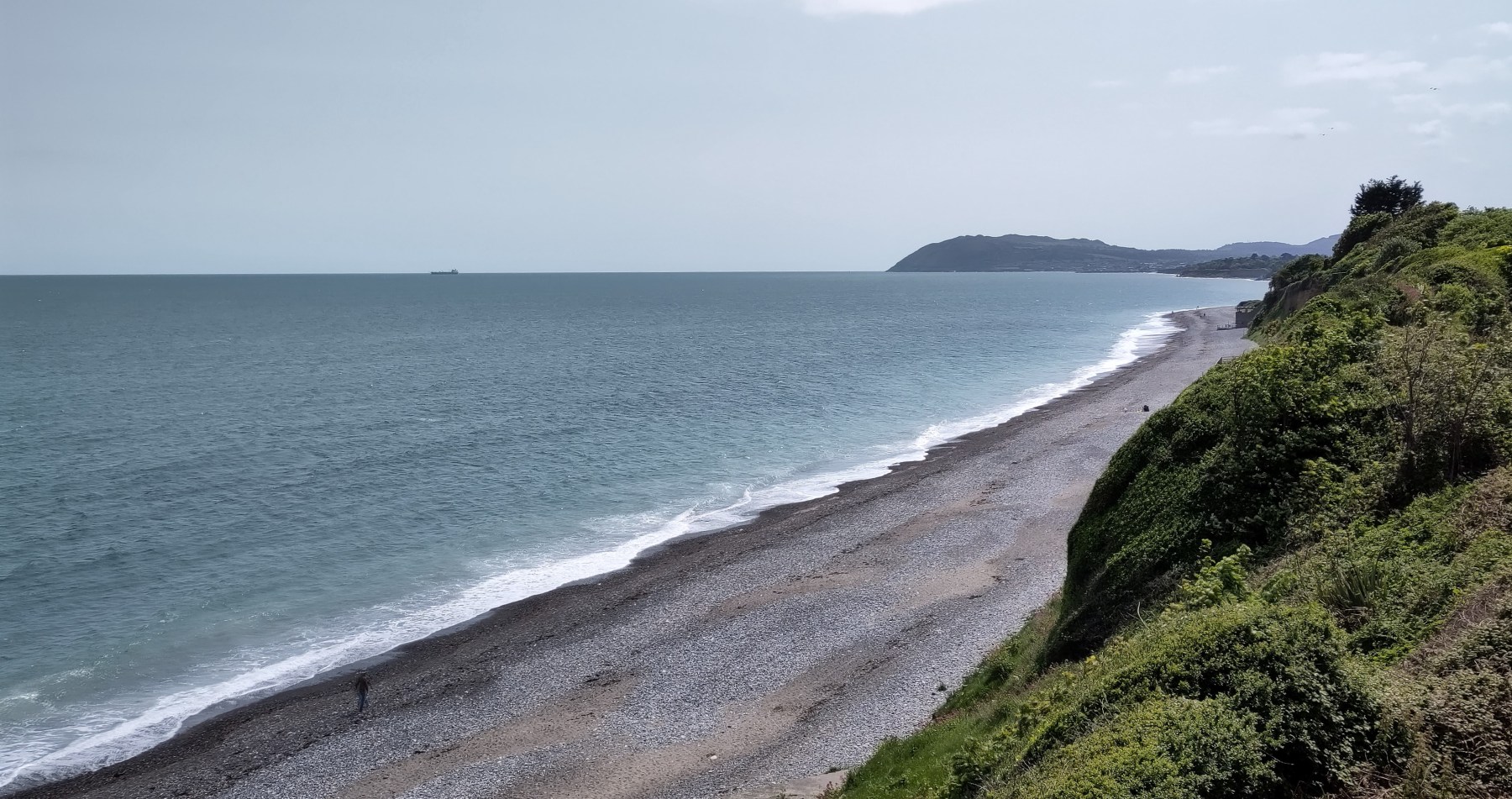
Once more, I joined the sail training tall ship Pelican of London for STEM at SEA education voyages with Sail Training Ireland youngsters on board. We have a little more time than usual in Dublin and we make the best of the glorious sunshine with some science on the beach…
Read More

Now here is a thought: Fishy breath, trampling and carnage are good things (in the right context).
Read More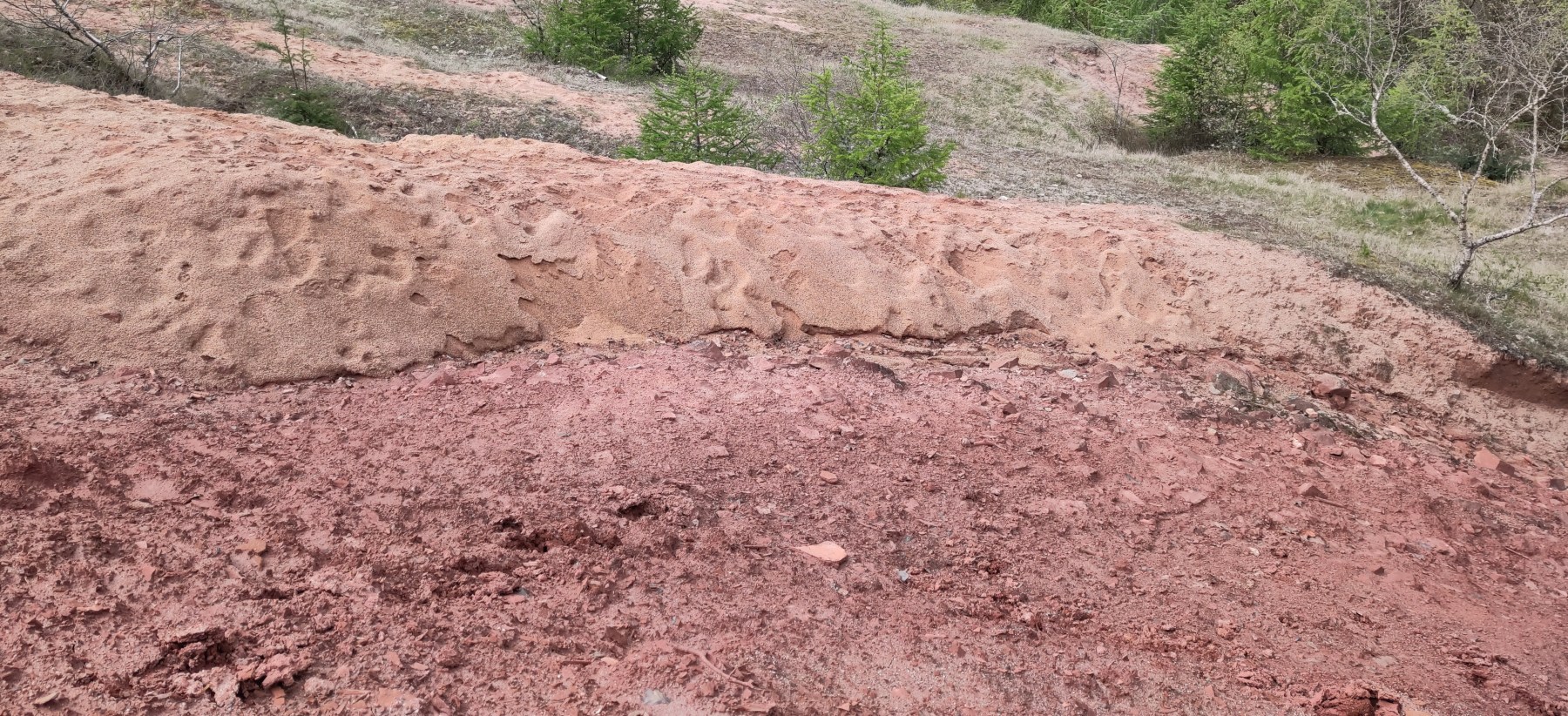
It’s a long story that shows the value of perseverance and the benefits of patience mixed with a little fortitude.
Read More
For many decades, we’ve released too much carbon dioxide and other greenhouse gases into the atmosphere and for some decades, scientists have developed and tested geoengineering solutions for the consequences of increased concentrations of greenhouse gases in our atmosphere.
Today, the online version of Science reported yet another approach…that once more shows that there is nothing such as a free lunch.
Read More Challenging Habitat