
I’ve got a great new ‘toy’ that gets me to explore the world below the sea surface without getting wet. Don’t get me wrong: I like water sports, including snorkelling, but this goes deeper: 150 metres!
I recently acquired a blueye Pioneer underwater drone with the intention to create simple videos that explore different marine habitats with messages about ecology and conservation, and to explore life below the water live in educational settings during sail training voyages on Pelican of London.
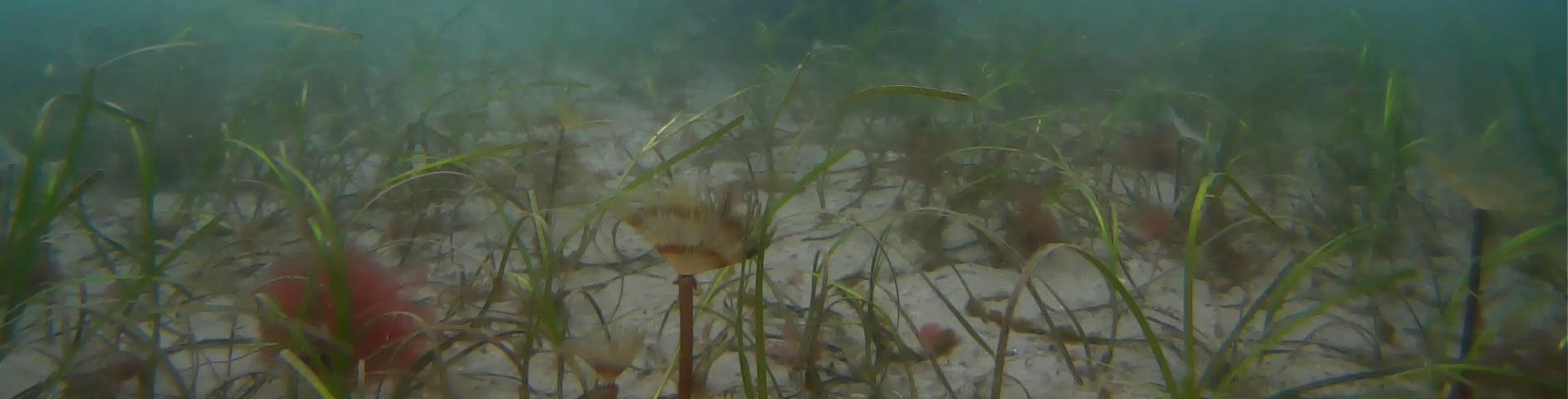
Last Sunday, I got on the water in Plymouth Sound National Park to try my hand at piloting the drone and filming the seagrass bed in Cawsand Bay, the presence of which I was aware of outreach activities by the Ocean Conservation Trust.
It was surprisingly easy and I decided to use the footage to create my first short video, although the ride was a little bumpy, I have to be steadier with the speed and more nimble with the directional turns. Here it is, not enhanced, just trimmed and with a short narration that highlights the capabilities of seagrass to capture and store carbon and be blue carbon:
My next project is to take my blueye on board of the sail training tall ship Pelican of London during Ocean Science and STEM education voyages, where I will use it with the sail trainees on board to explore underwater ecosystems and the level of littering and damage on the seafloor as a result of fishing and leisure activities.
 Challenging Habitat
Pingback: The Power of Data | Challenging Habitat