

Another Earth Day – another opportunity to reflect on my footprint. No better way to start this day than walk the earth without shoes, feel soil and stones, let the cold dew wet the skin between my toes, sense the odd nettle sting and slug adhere momentarily …
My feet are used to shoes, especially after the winter, their soles sensitive, well shielded from the coarseness of the ground. On this Earth Day, this appears to me as a metaphor: although I know about the impact of my life style on the planet, I am well shielded from experiencing it directly:
- my home is in a temperate region and has not yet suffered the extremes of climate change
- habitat destruction around me is disguised as fields of sheep and cattle and monoculture forestry, and most of the dramatic change happens far away
- the dawn chorus and spring flowers can make me believe all is well, even though the insect population has fallen dramatically in recent years
- the most dangerous pollution is invisible and who knows how chronic exposure may affect me right now?
- the resources used to produce and fuel my laptop, phone, car, central heating and lighting are extracted elsewhere and to me, the environmental and social impacts are invisible
- the wastes I produce goes somewhere else and is dealt with by someone else and my recycling habits can dupe me into thinking I’m doing ok.
So, it’s cozy wearing my metaphorical shoes and every time I use my car or travel by plane I have a justification for it in my mind. Although I support projects that compensate for my carbon footprint, I am conscious that this is not as good as reducing it and can be seen as lazy greenwashing.
I also reflect on the indigenous people of Panama who took me with a group of Canadian students to walk through native forest across the island of Escudo de Veraguas*. We were wearing wellington boots to protect ourselves from the bites of insects and snakes, while our Ngäbe guides were barefoot. We flew thousands of miles to get to learn about their ecosystem, while they travelled in cayucos, kayaks fashioned from tree trunks. We generate the carbon dioxide release that is the cause of sea level rise that will drown their islands and kill their coral reefs.
Bare feet tread lightly.
Taking off my shoes for Earth Day takes me out of this comfort zone and helps me to connect with the planet, and walking mindfully helps me to see more clearly the impact of my life style and renews my resolve to make a change that reduces my footprint. What that will be, I’ll know by the end of today.
* I was in Panama on behalf of the youth development charity Seas Your Future* to meet a Canadian group from the academy Students without Borders and accompany them on a sailing expedition. See my blog posts 1, 2 and 3 for more information on my experience and reflections.
Escudo de Veraguas is an uninhabited island used by local fishermen as short-term base. It has densely vegetated interior, beaches, mangroves and coral reefs that are populated by a wide range of wildlife, some of which we were privileged to encounter. Escudo is soft sedimentary rock and prone to erosion from increased storminess and rising sea levels.

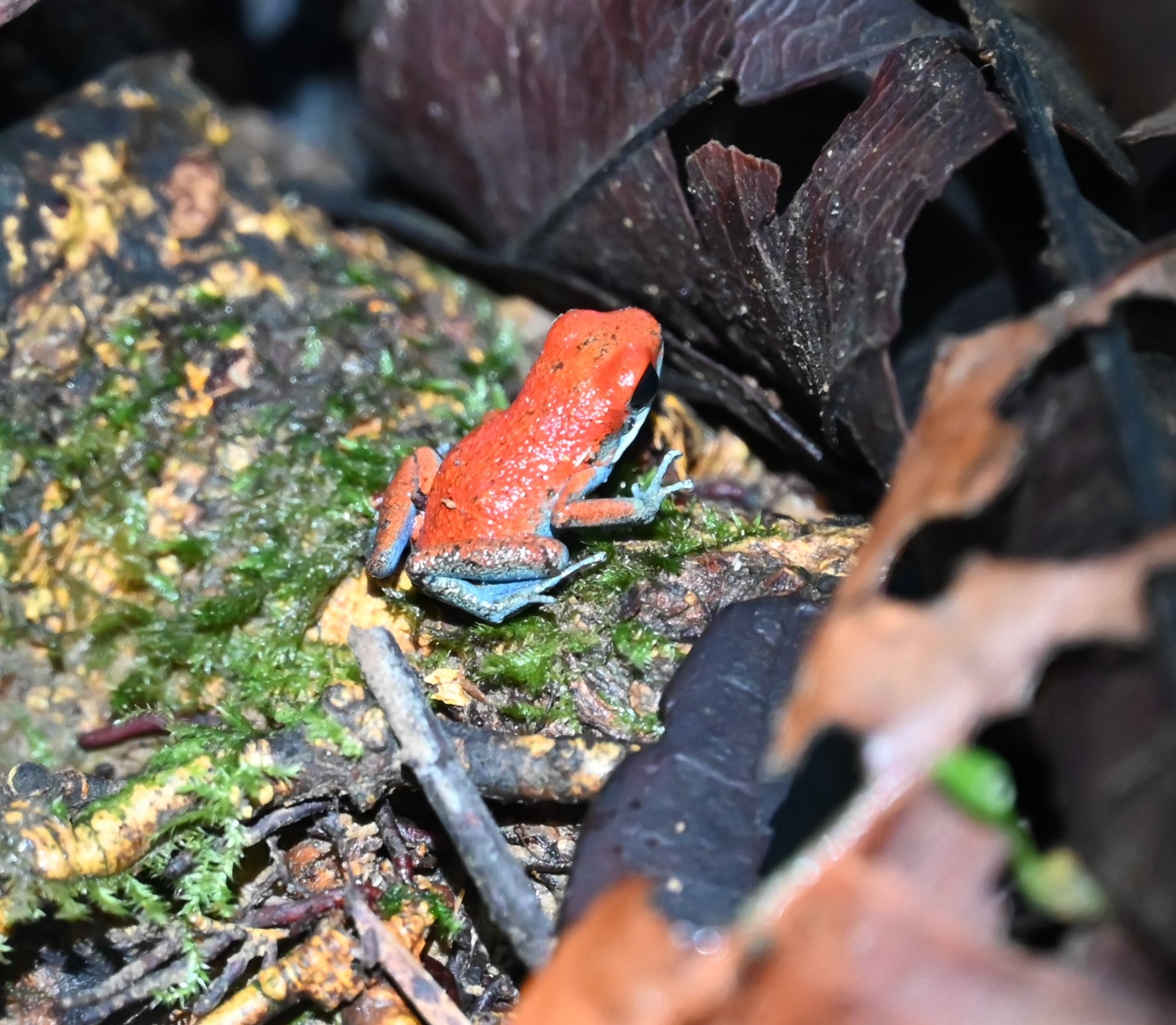
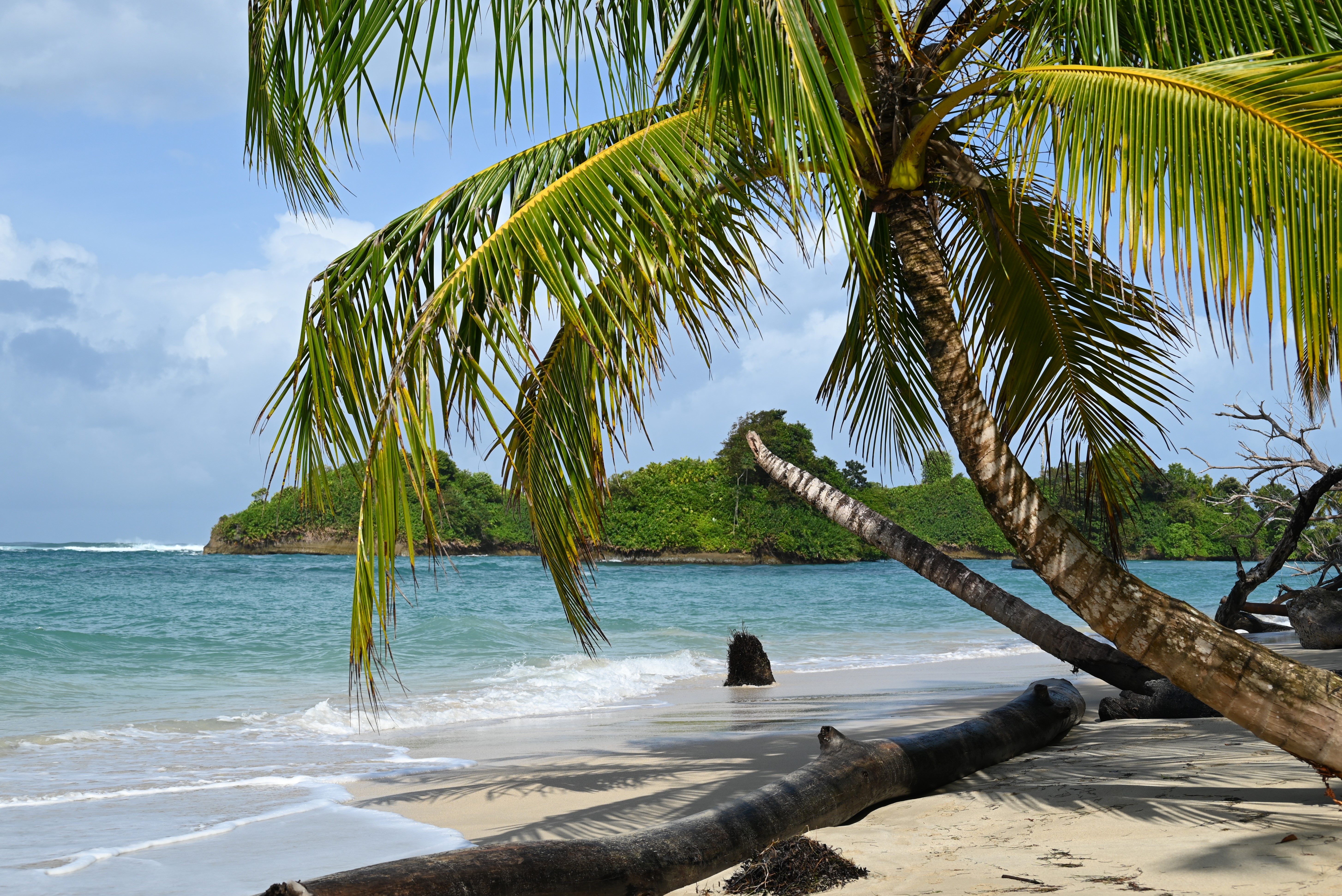
Images: (c) C Braungardt 2024
*Since writing this post, Seas Your Future has ceased to exist as a sail training charity. We, professional crew, volunteers and shore team carry on our vital youth development work on T/S Pelican of London with (not-for-profit) Pelican of London Ltd. Some weblinks in this post have been disconnected or changed in March 2025 to www.pelicanoflondon.org to reflect this change.
 Challenging Habitat